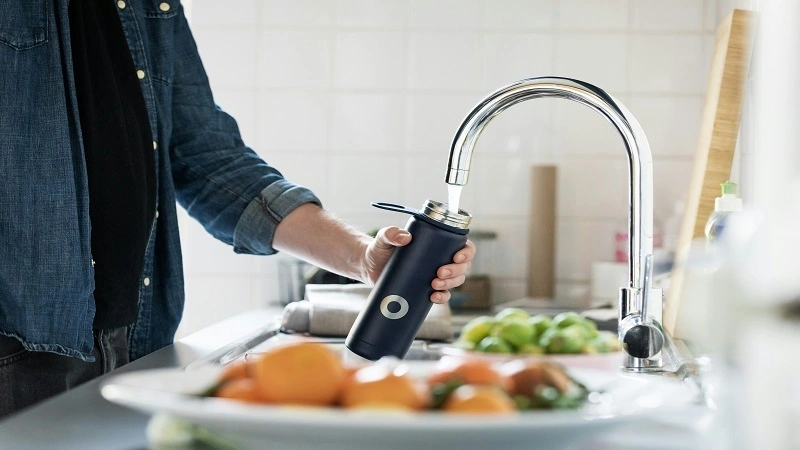
When it comes to home upgrades, the kitchen often takes center stage—and one of the most overlooked yet essential features is the kitchen faucet. Beyond being a basic utility, your faucet contributes to your kitchen’s style, functionality, and overall convenience. Whether you’re remodeling your entire kitchen or just replacing an old fixture, choosing the right faucet can make everyday tasks like cooking and cleaning much more enjoyable.
This comprehensive guide walks you through everything you need to know before buying a kitchen faucet—from understanding types and finishes to installation tips and maintenance advice.
Understanding the Importance of the Right Kitchen Faucet
A kitchen faucet is more than a source of water—it’s a critical component of your kitchen’s workflow. The right faucet enhances efficiency, complements your décor, and ensures comfort during daily use. Since most people use their kitchen faucet dozens of times per day—for washing hands, filling pots, or rinsing produce—its quality and design have a major impact on your experience.
A well-chosen faucet should combine functionality, durability, and aesthetic appeal. Investing in a high-quality model can also save money in the long run by reducing leaks and water waste.
Know Your Sink Configuration Before Shopping
Before diving into styles and finishes, start with the basics: your sink setup. Faucets are not one-size-fits-all. They need to match the mounting holes and layout of your existing or planned sink.
Here are the main factors to consider:
-
Number of Mounting Holes:
Kitchen sinks usually have between one and four holes. These accommodate the faucet body, handles, sprayer, or soap dispenser.-
Single-hole sinks are ideal for sleek, modern faucets.
-
Three- or four-hole sinks fit traditional designs with separate handles and accessories.
-
-
Mounting Style:
Faucets can be deck-mounted (installed on the countertop or sink) or wall-mounted (installed directly on the wall above the sink).-
Deck-mounted faucets are the most common and easy to install.
-
Wall-mounted options free up counter space and add a stylish, contemporary look—but they require proper wall plumbing.
-
-
Sink Size and Depth:
Match the faucet height and spout reach to your sink size. A tall faucet might cause splashing in a shallow sink, while a short spout may not reach the center of a large one.
Explore the Different Types of Kitchen Faucets
Faucets come in various designs, each catering to different preferences and needs. Understanding the types helps narrow your choices.
Pull-Down Faucets
These have a high-arc spout with a spray head that pulls down directly into the sink. They’re perfect for deep sinks and make rinsing dishes or vegetables effortless.
Pros: Stylish, ergonomic, and offers great flexibility.
Cons: May cause splashing in shallow sinks.
Pull-Out Faucets
Similar to pull-down models, but the spray head pulls out horizontally toward you. These are ideal for smaller spaces.
Pros: Versatile and easy to control.
Cons: Hose length is often shorter than pull-down versions.
Single-Handle Faucets
One handle controls both temperature and flow, making it simple to use.
Pros: Convenient, minimalistic design, easy to clean.
Cons: Limited temperature precision compared to dual handles.
Double-Handle Faucets
These have separate handles for hot and cold water, offering more precise temperature control.
Pros: Classic appearance and better temperature management.
Cons: Requires more space and slightly more complex installation.
Touchless (Sensor-Activated) Faucets
A modern innovation that uses motion sensors to start and stop water flow—ideal for hygiene and water efficiency.
Pros: Hands-free operation, reduces germ spread, and saves water.
Cons: Requires batteries or electrical connection, and usually costs more.
Commercial-Style Faucets
Inspired by professional kitchens, these feature a tall spring design and powerful spray.
Pros: Excellent water pressure, great for frequent cooking and cleaning.
Cons: Bulky and not suited for small kitchens.
Choose the Right Faucet Material and Finish
Your faucet’s material and finish determine both its longevity and visual appeal. The best faucets combine durability with easy maintenance.
Popular Materials:
-
Brass: Long-lasting, corrosion-resistant, and a top choice for high-quality faucets.
-
Stainless Steel: Modern-looking, durable, and easy to clean—perfect for busy kitchens.
-
Zinc Alloy: A budget-friendly option, but less durable over time.
-
Plastic (ABS): Lightweight and inexpensive but not ideal for long-term use.
Popular Finishes:
-
Chrome: Bright, reflective, and easy to clean—great for contemporary spaces.
-
Brushed Nickel: Subtle sheen that hides fingerprints and water spots.
-
Matte Black: A trendy, bold look that pairs well with modern or industrial kitchens.
-
Oil-Rubbed Bronze: Offers a warm, rustic touch for traditional kitchens.
-
Stainless or Satin Finish: Matches most appliances and maintains a clean appearance.
Tip: Always choose a PVD (Physical Vapor Deposition) or electroplated finish, as these resist tarnish and scratches far better than standard coatings.
Consider Functional Features and Innovations
Modern kitchen faucets come with several innovative features designed for convenience, hygiene, and efficiency. Here are some to look for:
-
Pull-Down or Pull-Out Spray Heads: Offer flexibility for rinsing dishes or filling pots.
-
Magnetic Docking Systems: Securely lock the spray head in place after use.
-
360-Degree Swivel Spouts: Provide maximum sink coverage, ideal for double sinks.
-
Touch or Touchless Activation: Enhances hygiene by eliminating the need to touch handles.
-
Adjustable Spray Modes: Switch between stream, spray, and pause modes for different tasks.
-
Water-Saving Aerators: Reduce water consumption without compromising pressure.
-
LED Indicators: Some faucets include lights that signal water temperature or battery level.
Balancing Style and Functionality
While functionality is crucial, your faucet also contributes to your kitchen’s aesthetic harmony. Choose a design that complements your sink, countertop, and overall kitchen theme.
Style Tips:
-
For modern kitchens, go for minimalist lines, matte finishes, and touchless technology.
-
For farmhouse or rustic styles, opt for oil-rubbed bronze or classic bridge faucets.
-
For industrial kitchens, a high-arc spring faucet in stainless steel is a great match.
-
For traditional designs, polished brass or two-handle faucets fit perfectly.
Balancing looks and practicality ensures your faucet doesn’t just work well—it also elevates your kitchen’s appeal.
Budget: Finding the Right Value
Kitchen faucets vary widely in price—from under $50 to well over $600. But more expensive doesn’t always mean better for your needs. Consider the value-for-money rather than just the price tag.
General Price Ranges:
-
Budget ($50–$150): Basic models with limited features; good for rentals or secondary sinks.
-
Mid-Range ($150–$300): Offers solid build quality, reliable brands, and stylish designs.
-
High-End ($300–$600+): Premium materials, advanced features (touchless, LED, magnetic docks).
It’s wise to invest in a mid- or high-range faucet if you use your kitchen frequently. A reliable brand and durable material often pay off in the long run through fewer repairs and replacements.
Installation: DIY or Professional Help?
Installing a faucet can be a straightforward DIY project if you’re comfortable with basic plumbing. Most modern faucets come with step-by-step guides and flexible hoses for easy setup. However, for wall-mounted or touchless models, hiring a professional plumber may be safer and more efficient.
DIY Tips:
-
Always turn off the water supply before removing your old faucet.
-
Use plumber’s tape to seal connections and prevent leaks.
-
Check for compatibility with your sink’s mounting holes.
-
Test for leaks before final tightening.
If your kitchen involves complex plumbing or if you’re switching faucet types (e.g., from deck-mounted to wall-mounted), professional installation ensures safety and performance.
Maintenance and Care Tips
Even the best faucet requires regular care to maintain its shine and performance.
Simple Maintenance Routine:
-
Clean regularly: Wipe with a soft cloth and mild soap. Avoid harsh chemicals.
-
Remove mineral buildup: Use a vinegar solution to dissolve limescale from the aerator.
-
Check hoses and joints: Look for leaks or wear every few months.
-
Replace cartridges: If you notice dripping or reduced water pressure, the internal cartridge may need replacement.
Consistent maintenance extends your faucet’s life and keeps it functioning smoothly.
Popular and Trusted Faucet Brands
While there are many options in the market, certain brands stand out for their reliability, innovation, and quality.
-
Moen: Known for durable, user-friendly designs and strong warranties.
-
Delta: Offers a variety of styles and advanced touch technology.
-
Kohler: Elegant designs with robust functionality.
-
Grohe: German engineering with sleek aesthetics.
-
Hansgrohe: Premium materials and smooth operation.
-
American Standard: Affordable yet durable everyday options.
Choosing from reputable brands ensures better after-sales support and product longevity.
Sustainability and Water Efficiency
Water conservation is a growing priority for modern households. Look for faucets with the WaterSense certification, which guarantees at least 20% more efficiency than standard models without sacrificing performance.
Eco-Friendly Features:
-
Low-flow aerators to reduce water usage.
-
Smart sensors to prevent unnecessary water flow.
-
Lead-free materials to ensure safety and compliance with environmental standards.
A sustainable faucet choice not only saves on utility bills but also supports responsible water usage.
Conclusion: Make the Right Choice for Your Kitchen
Selecting the perfect kitchen faucet requires balancing practicality, design, and durability. By understanding your sink configuration, comparing different faucet types, considering finishes, and evaluating extra features, you can find a model that fits both your lifestyle and aesthetic preferences.
Remember, your kitchen faucet isn’t just a tool—it’s a long-term investment in comfort, efficiency, and style. Whether you prefer a classic double-handle model or a high-tech touchless design, the right faucet will transform your kitchen into a space that’s both beautiful and functional.