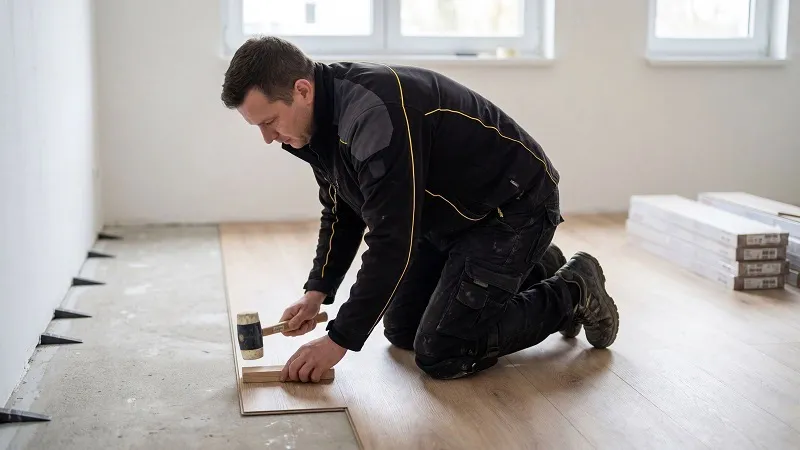
Choosing the right renovation materials is one of the wisest investments a homeowner can make.
Most only see the trendy finishes. The shiny things. The “Pinterest-worthy” upgrades. But the materials you choose today will determine how your home performs (and what it’s worth) 30 years from now. When you pick the right materials you can:
- Boost your home’s resale value
- Cut down on long-term maintenance costs
- Create a property that ages beautifully
And avoid the dreaded “we’ll have to redo this in 5 years” trap.
Here’s how to do it…
What you’ll find inside:
- Why Material Choice Matters For Long-Term Value
- The Renovation Materials That Stand The Test Of Time
- Top Areas Of The Home Where Premium Materials Pay Off
- How To Pick Materials That Actually Add Value
Why Material Choice Matters For Long-Term Value
The renovation industry is booming.
In reality, U.S. renovation spending could hit $524 billion by early 2026. It will be at its peak. However, there is a catch. Not all renovations are investments.
Inexpensive materials and fashionable finishes depreciate quickly. High-end and durable materials? Long-term value they way you like it.
Think of it like this:
- Greater resale value: Buyers will pay more for a home that won’t require a redo in 5 years.
- Lower maintenance: Less repairs, less hassle, less money spent.
- Timeless appeal: A trendy material today is an outdated material tomorrow.
Now let’s get into the materials that actually deliver on this promise.
The Renovation Materials That Stand The Test Of Time
Some materials are designed to stand the test of time. Others disintegrate the second a homeowner crosses the threshold with a mop. Here are the materials that have made the cut for “long-term value” hall of fame.
Natural Stone (The Real Winner)
Natural stone is one of the most underrated investments a homeowner can make.
Why? Because it lasts forever. Natural stone is amazingly durable — offering an average ROI of 55% to 70% for homeowners who install it properly. It works in kitchens, bathrooms, hallways, entryways, and outdoor spaces. And it never goes out of style.
The most popular natural stone options include:
- Limestone
- Travertine
- Granite
- Marble
- Slate
Limestone stands out due to its versatility and soft, neutral nature. Natural limestone slabs look great used indoors, and outside, limestone cobbles create a timeless feel for driveways, courtyards, garden paths and patios.
The best part?
Natural limestone slabs age well. They form a beautiful patina with time which actually adds to the character (and value) of the property.
Hardwood Flooring
Hardwood is another long-term winner.
It’s warm. It’s classic. And it elicits that emotional “I want to live here” reaction buyers can’t get from synthetic floors. Stick with time-honored species like oak, walnut or maple.
Quartz & Granite Countertops
If you are renovating a kitchen, your countertops matter — a lot.
Cheap laminate? Buyers turn their nose up at it. Quartz or granite? Buyers practically beg for it. Both are durable, easy to clean and look incredible for years.
Solid Brick & Stone Cladding
The exterior of your home is the first thing buyers see.
And outside materials count. Manufactured stone veneer more than doubled its cost at resale. That’s a big payoff for a curb appeal upgrade.
But solid brick and natural stone cladding go even further. They:
- Last for centuries
- Need almost no maintenance
- Add serious authority to a property’s appearance
Top Areas Of The Home Where Premium Materials Pay Off
Not all areas of your home require high end materials. However, there are certain spaces where high end materials are 100% worth the extra investment…
Kitchens
The kitchen is the heart of the home.
It’s the room potential buyers fall in love with first. So if you are going to spend money on luxury upgrades, this is where to do it. A minor kitchen remodel with upscale materials recoups about 113% of its cost when you sell.
Imagine granite or quartz countertops, hardwood or natural stone floors, and solid wood cabinetry. Durable, attractive, they have the heft of materials that last for generations.
Bathrooms
Bathrooms are second only to kitchens when it comes to selling a home.
A cheap material bathroom goes out of date in 5 years. A natural stone, quality fixture, well waterproofed bathroom? 20+ years of beauty. Natural limestone slabs are great in bathrooms as they give buyers that spa feel.
Outdoor Living Spaces
Outdoor living is one of the biggest design trends right now.
Patios, courtyards and garden walkways are made of natural stone. They are what capture the ‘wow’ that buyers won’t resist. Outdoor stonework is durable against rain, sun and frost. It does not require constant repair.
Entryways & Hallways
These are high-traffic zones.
That translates into cheap flooring that becomes unsightly in a very short time. That is one reason why it’s wise to invest in natural stone or hardwood flooring in this area. The floor will still look like new when it comes time to sell.
How To Pick Materials That Actually Add Value
Choosing appropriate materials is not difficult, but does require a bit of thought. A few things to consider…
Opt for timeless over trendy. Trendy finishes may seem exciting now but they date quickly. Classic materials — such as natural stone, hardwood and solid brick — never go out of style.
Buy the best you can afford. A cheap material costs you twice — once when you install it, and again when you replace it.
Consider how it will age. Some materials age gracefully. Others simply look old. Natural stone, real wood and quality metals all improve with age.
Pair the material with the space. Every material is not appropriate for every space. Limestone is great for floors and patios, but you will not treat it like a granite.
When in doubt, use materials that have been used successfully in homes for centuries. They’ve been around a long time for a reason.
Final Thoughts
Renovating your home is a big investment.
The products you select today will determine how your home looks, feels and performs for many years to come. Inexpensive products may save you money up front, but you will pay many times that amount later — in repair bills, lost resale value and aggravation.
Premium materials, such as natural stone, hardwood and solid stone cladding are the smart play. They:
- Boost resale value — buyers love quality finishes
- Reduce maintenance — save money on repairs
- Stand the test of time — look great in 20, 30, even 50 years
To recap:
- Pick classic materials over trendy ones
- Spend the money where it matters
- Think long-term, not short-term
- Choose natural materials that age beautifully
Get the materials right and the rest of your renovation will fall into place.