
You’ve probably felt frustrated with one smart home device at least once in your life. As technologically advanced as these devices appear to be, they’re not all built equally, and some offer a poor user experience (UX).
Complicated Setups
Many devices assume a level of technical knowledge that you or your family may not have. Even with instructions, it can be confusing to set up some devices.
One major setup annoyance is that if your device doesn’t belong to the same brand ecosystem, it might not work seamlessly and will require app switching. This adds to the tinkering with software updates and connectivity issues.
Recently, major brands have begun adopting an interoperability standard called “Matter” to address compatibility and ecosystem fragmentation issues.
Annoying Inconsistencies
As a user, consistency helps you learn faster and feel confident. Each smart home app has its own layout, terminology, and logic. Simple actions work differently across platforms, and this inconsistency becomes more frustrating as your smart home grows. The more devices you add, the heavier the cognitive load becomes.
Voice Control Isn’t as Natural as Promised
Voice assistants are supposed to simplify everything. But you’ve likely experienced commands that are misunderstood, partially executed, or ignored altogether. Voice control experiences can vary greatly. Google Assistant might understand contextual voice commands better, but it offers worse privacy control compared to Apple’s Siri.
You must remember specific phrasing rather than speaking naturally. Over time, you may stop using voice control entirely, which defeats one of the core selling points of smart homes.
Automation is Great, but Hard to Build
Yes, smart routines can be impressive, but setting them up is frequently challenging for beginner users. If you don’t know how to handle tech terms like triggers or conditions to automate tasks, you might find these processes highly stressful.
However, one good thing about automations is that you only need to do them once. You can always ask for help and externalize the setup if you feel like it’s too much for you.
Privacy and Data Concerns
While companies claim to collect user data to improve the UX, some research and users suggest it’s becoming excessive. As a result, UX is becoming not only about usability, but also a separate concern about privacy.
Most smart devices have cameras, microphones, or sensors that are constantly active. Even in very personal places like bedrooms, privacy is not guaranteed, as some smart pillows and mattresses might collect more data than they need.
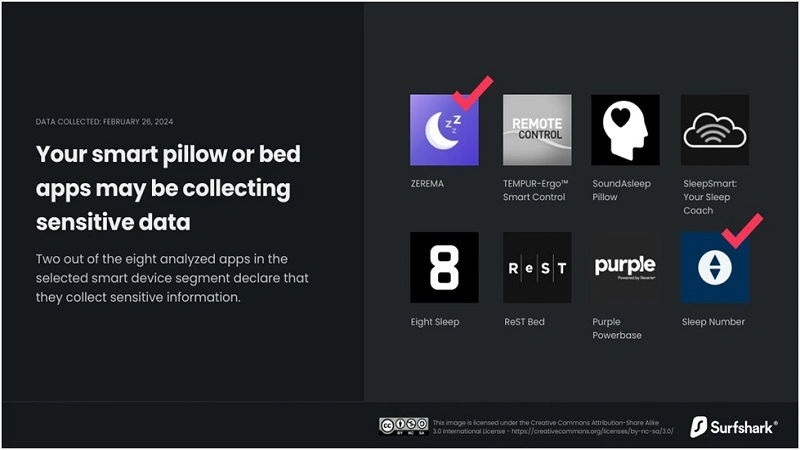
If you’re worried about data collection or potential breaches, make sure to use privacy measures. Adjust each device’s settings to fit your boundaries, and use software like a secure VPN to encrypt your home network traffic from third parties and ISPs. Additionally, research software that could allow ad blocking for your whole home network, regardless of hardware or OS.
The Most Common Pain Points
If any of these sound familiar, you’re not imagining things:
- Devices randomly go offline.
- Apps that lag or crash during simple tasks.
- Updates that change features.
- Unnecessary notifications that overwhelm.
- Challenging interfaces or designs for non-technical users.
What Needs to Change for You
For smart homes to truly feel smart, user experience must become the priority. Manufacturers need to focus on:
- Simpler onboarding.
- Consistent interfaces across brands.
- Automation that learns, not demands.
- Clear privacy controls you actually understand.
- Continue integrating “Matter” standards across devices.
When technology fades into the background and supports your life quietly, that’s when UX succeeds.
Final Thoughts
Modern home devices have made significant progress over the past few years; however, the disconnect between early promises of total convenience and everyday comfort remains. To bridge that gap, manufacturers need to focus on giving consumers greater control over their sensitive data and on designing solutions that center on users.