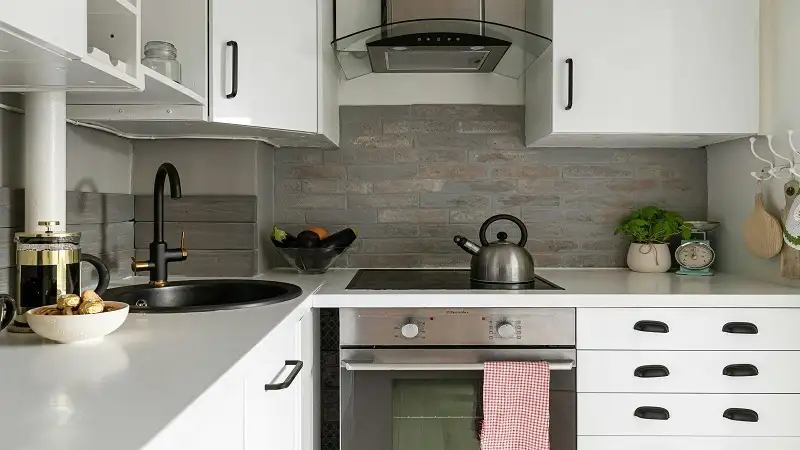
In today’s world, sustainability is no longer just a buzzword — it’s a way of living that reflects our awareness and respect for the planet. The kitchen, often described as the heart of the home, offers a unique opportunity to combine eco-conscious design with timeless beauty. Among the many materials that embody both sustainability and style, natural stone stands out as a top contender.
From its durability and low environmental impact to its natural elegance and recyclability, natural stone brings lasting value to kitchen spaces. This article explores four eco-friendly kitchen upgrades using natural stone that not only elevate your home’s aesthetics but also promote a greener lifestyle.
Countertops That Last a Lifetime: Choosing Sustainable Stone Surfaces
When it comes to kitchen upgrades, countertops are usually the centerpiece — both functionally and visually. Opting for natural stone countertops is one of the most sustainable choices you can make. Unlike synthetic or laminate materials that often contain plastics, resins, and chemicals, natural stones such as granite, marble, quartzite, and soapstone are quarried directly from the earth, requiring minimal processing.
Why Natural Stone Countertops Are Eco-Friendly
-
Long Lifespan: Natural stone is incredibly durable and can last decades, even generations, with proper care. This longevity reduces the need for frequent replacements, minimizing waste and resource consumption.
-
Low VOC Emissions: Unlike engineered surfaces that may emit volatile organic compounds (VOCs), natural stone is free of harmful chemicals, making your indoor air cleaner and healthier.
-
Recyclable Material: When the time does come for renovation, stone can be repurposed into tiles, landscaping features, or crushed stone for construction.
Sourcing Ethically
When choosing your stone, sustainability starts with ethical sourcing. Look for suppliers who follow responsible quarrying practices that reduce landscape disruption, minimize water waste, and ensure fair labor conditions. Many quarries now operate under eco-certifications or local environmental regulations that promote transparency and accountability.
Design Tip: Pairing Beauty with Responsibility
For a sustainable and sophisticated look, consider finishes that require less maintenance and fewer chemical treatments. Honed or leathered finishes not only give your countertops a matte, tactile quality but also hide smudges and scratches, extending their life cycle and reducing the need for harsh cleaning agents.
Stone Backsplashes: A Natural Statement with Minimal Waste
Backsplashes are often overlooked when planning sustainable kitchens, but they present an opportunity to make a big design statement with a small environmental footprint. Using natural stone backsplashes is both practical and eco-friendly.
The Environmental Benefits
-
Efficient Use of Remnants: Many fabricators and suppliers have leftover stone slabs from larger projects. These remnants are often perfect for backsplashes and prevent waste from ending up in landfills.
-
Longevity and Recyclability: Stone backsplashes are resistant to heat, water, and stains — meaning they last longer and require fewer replacements compared to synthetic tiles or painted walls.
-
Low Maintenance: A natural stone backsplash can be cleaned with simple, non-toxic cleaners such as mild soap and water. This reduces reliance on chemical-heavy cleaning products that can harm indoor air quality and the environment.
Design Flexibility
From elegant marble subway tiles to dramatic slabs of granite or quartzite, stone backsplashes add character and natural texture. You can even extend your countertop material up the wall for a seamless, modern look that reduces grout use (and cleaning hassles).
Pro Tip: Local Stone for Local Homes
Whenever possible, choose locally quarried stone. This drastically cuts down on the carbon footprint associated with transportation. For example, if you live in the U.S., materials like Vermont marble, Tennessee limestone, or Virginia soapstone are both beautiful and regionally sourced.
Sustainable Flooring: Walking on the Earth’s Strength
Flooring plays a crucial role in setting the tone of your kitchen. It’s also a surface that experiences heavy wear and tear. Natural stone flooring combines elegance, functionality, and sustainability — making it a smart long-term investment for an eco-conscious home.
Eco-Advantages of Stone Flooring
-
Natural Durability: Stones like slate, travertine, and limestone are extremely resilient and can last for generations with minimal maintenance. Unlike vinyl or laminate flooring, which often end up in landfills after a few years, stone flooring stands the test of time.
-
Thermal Properties: Stone has excellent thermal mass, meaning it naturally retains and radiates heat. This makes it an energy-efficient choice, especially when combined with underfloor heating systems — helping you maintain comfortable temperatures while using less energy.
-
No Synthetic Additives: Natural stone doesn’t contain PVC, formaldehyde, or other harmful additives found in some modern flooring materials.
Finishing with Care
For eco-friendly sealing and maintenance, choose water-based sealants or natural waxes over solvent-based products. These provide protection without releasing harmful emissions into your home.
Design Inspiration
-
Rustic Appeal: Use slate or travertine to create an earthy, rustic aesthetic that connects your kitchen to the natural world.
-
Modern Minimalism: Polished marble or granite tiles can achieve a sleek, contemporary look while remaining timeless.
-
Warm Tones for Coziness: Consider sandstone or limestone for a soft, warm-toned floor that complements wood cabinetry beautifully.
Reclaiming Stone for Sustainability
For an even greener approach, look for reclaimed stone — salvaged from old buildings or architectural projects. This not only gives new life to existing materials but also adds historical charm and character to your kitchen.
Natural Stone Islands and Accent Features: Timeless Focal Points
A kitchen island often becomes the heart of family gatherings — a place for cooking, eating, and connecting. Using natural stone for your island surface or accent elements infuses your kitchen with both beauty and ecological mindfulness.
Why Natural Stone Islands Are Sustainable
-
Multi-Functionality Reduces Waste: A durable stone island can serve as a prep station, dining space, and storage unit — reducing the need for additional furniture and materials.
-
Longevity Equals Less Replacement: Unlike cheaper materials that may warp or degrade over time, stone surfaces remain sturdy and visually appealing for decades.
-
Recyclable and Renewable Aesthetics: Even after years of use, stone can be refinished or repurposed into other design elements like cutting boards, tabletops, or outdoor counters.
Accent Walls and Decorative Details
Natural stone can also be used to create statement walls, hood surrounds, or open shelving. These features bring texture, warmth, and a sense of permanence that complements modern sustainability goals. For instance, a stacked-stone backsplash or column can add visual depth without needing energy-intensive paints or synthetic wall claddings.
Combining Natural Materials
Pairing stone with other eco-friendly materials, such as reclaimed wood, bamboo cabinetry, or recycled metal fixtures, enhances both the sustainability and aesthetic appeal of your kitchen. Together, these elements tell a story of mindful design and natural harmony.
Sustainability Beyond the Material: Caring for Your Stone Kitchen
Sustainability isn’t just about the materials you choose — it’s also about how you maintain them. Proper care ensures your natural stone surfaces remain beautiful for decades while reducing waste and the need for harsh chemicals.
Eco-Friendly Cleaning Tips
-
Use pH-neutral, biodegradable cleaners instead of acidic or abrasive products.
-
Avoid bleach and ammonia, which can damage stone and harm indoor air quality.
-
For routine cleaning, warm water and mild soap are often enough.
Regular Maintenance for Longevity
Periodic sealing (every 1–3 years, depending on the stone type) helps protect against stains and moisture. Opt for low-VOC or natural sealers to maintain indoor air quality and reduce your environmental footprint.
Recycling and Reuse
If you ever remodel, consider repurposing stone rather than discarding it. Old countertops can become outdoor kitchen surfaces, garden paths, or even unique furniture pieces. This circular approach helps conserve resources and keeps waste out of landfills.
Conclusion: Building a Greener Future, One Kitchen at a Time
Sustainable design isn’t about sacrificing beauty or function — it’s about making choices that respect the environment while enriching our daily lives. By integrating natural stone into your kitchen upgrades, you’re choosing a material that embodies durability, authenticity, and ecological harmony.
From enduring countertops and statement backsplashes to long-lasting floors and centerpiece islands, natural stone connects your home to the earth in both form and philosophy. It’s a reminder that the most elegant designs are those that stand the test of time — and tread lightly on the planet.
As more homeowners embrace eco-friendly design, natural stone remains a shining example of how sustainability and style can coexist seamlessly. By making thoughtful, responsible choices today, we help craft kitchens — and a world — that will continue to thrive for generations to come.