
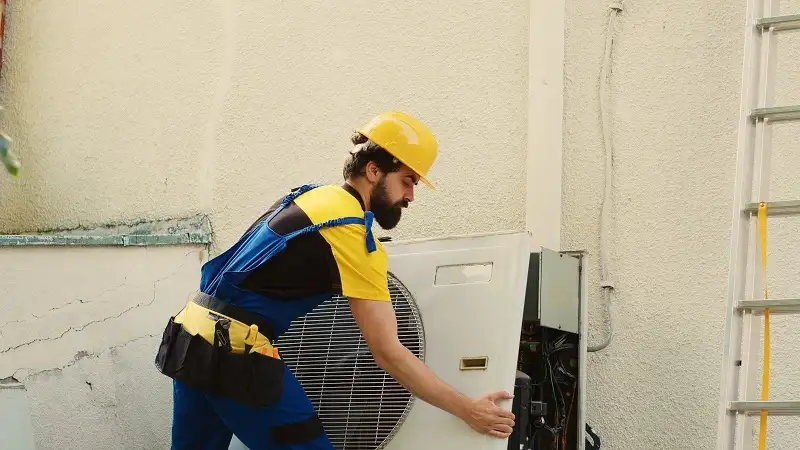
Your HVAC (Heating, Ventilation, and Air Conditioning) system is one of the largest energy consumers in your home. Whether you’re trying to keep cool in the summer or warm in the winter, maintaining your HVAC system properly can dramatically improve energy efficiency, reduce utility bills, and extend the lifespan of your equipment.
In this article, we’ll explore the most effective HVAC maintenance tips that can help you keep your system running smoothly and your home more energy-efficient all year long.
Change or Clean Air Filters Regularly
Why Air Filters Matter
Air filters are the first line of defense in maintaining clean airflow throughout your HVAC system. They trap dust, dirt, pet dander, and other airborne particles, preventing them from circulating inside your home or clogging up your equipment.
When filters become dirty, your HVAC system has to work much harder to pull air through, consuming more energy in the process. A clogged filter can reduce system efficiency by as much as 15% to 20%, leading to higher energy bills and unnecessary strain on your unit.
How Often to Replace Them
-
Standard filters: Replace every 1 to 3 months.
-
High-efficiency filters (HEPA): Replace every 6 to 12 months, depending on usage.
-
Washable filters: Clean monthly and allow them to dry completely before reinstalling.
Pro Tip:
If you have pets, allergies, or live in a dusty area, check your filters more frequently. Clean filters ensure better airflow, improved indoor air quality, and optimal energy efficiency.
Schedule Professional HVAC Tune-Ups Twice a Year
Importance of Routine Inspections
Just as you schedule regular maintenance for your car, your HVAC system also needs professional tune-ups to perform at its best. Most experts recommend bi-annual maintenance — once in the spring for your cooling system and once in the fall for your heating system.
Technicians can identify minor issues before they become expensive problems, clean key components, and ensure that your system is performing efficiently.
What a Professional Tune-Up Includes
A typical HVAC maintenance visit includes:
-
Checking refrigerant levels and pressure
-
Cleaning condenser and evaporator coils
-
Inspecting blower motors and belts
-
Testing thermostat calibration
-
Lubricating moving parts
-
Checking for leaks or corrosion
Energy Benefit
Well-maintained systems use 10%–25% less energy than neglected ones. Regular tune-ups ensure that your system doesn’t waste energy struggling to maintain your desired temperature.
Seal and Insulate Your Ductwork
The Hidden Energy Thief
Your ductwork is what carries heated or cooled air to every part of your home. However, many homeowners don’t realize that up to 30% of conditioned air can be lost through leaks, holes, or poorly insulated ducts.
This means your HVAC system has to work longer and harder, consuming more energy to keep your home comfortable.
How to Fix the Problem
-
Inspect for leaks: Look for disconnected joints, loose tape, or visible gaps.
-
Seal with mastic sealant or metal tape: Avoid using regular duct tape, as it deteriorates quickly.
-
Add insulation: Insulating ducts that run through unconditioned spaces (like attics, garages, or basements) helps maintain consistent airflow temperature.
Pro Tip:
Have a professional perform a duct leakage test to detect hidden leaks and ensure your ducts are properly sealed and insulated.
Clean the Condenser and Evaporator Coils
Why Coils Are Crucial
Your HVAC system’s coils play a major role in heat exchange. The evaporator coil absorbs heat inside your home, while the condenser coil releases it outside. Over time, dirt and debris can accumulate on these coils, reducing their ability to transfer heat efficiently.
Maintenance Steps
-
Turn off power to your unit before cleaning.
-
Remove debris such as leaves, grass, or dirt from around the outdoor condenser unit.
-
Use a soft brush or vacuum to clean the coils.
-
For heavily soiled coils, use a coil cleaner recommended by your HVAC technician.
Energy Benefit
Clean coils improve heat transfer efficiency, which means your system cools or heats your home faster and uses up to 15% less energy.
Install a Programmable or Smart Thermostat
Smarter Control, Greater Savings
A programmable or smart thermostat allows you to automatically adjust your home’s temperature settings based on your schedule. This ensures your HVAC system isn’t wasting energy when you’re asleep or away.
According to the U.S. Department of Energy, adjusting your thermostat by 7°–10°F for 8 hours a day can save up to 10% annually on heating and cooling costs.
Benefits of Smart Thermostats
-
Remote access: Control temperatures via smartphone apps.
-
Learning capabilities: Some models learn your habits and adjust automatically.
-
Energy reports: Get insights into your energy usage.
Pro Tip:
Set your thermostat to 78°F in summer and 68°F in winter when you’re home. Adjust slightly higher or lower when you’re away to optimize savings.
Keep Vents and Registers Unobstructed
Why Airflow Matters
Blocked vents force your HVAC system to work harder to distribute air, wasting energy and creating uneven temperatures throughout your home. Many homeowners don’t realize that furniture, rugs, and curtains can obstruct airflow and reduce system efficiency.
Maintenance Steps
-
Keep at least 12 inches of clearance around each vent.
-
Clean vents regularly to prevent dust buildup.
-
Check for closed or blocked registers, which can cause pressure imbalances.
Pro Tip:
Walk through your home once a month and make sure all vents are open and clear of obstructions. Balanced airflow helps maintain consistent comfort and system efficiency.
Inspect and Maintain Your Thermostat
Small Device, Big Impact
The thermostat serves as the control center of your HVAC system. If it’s malfunctioning or poorly calibrated, your system may run longer than necessary or short-cycle frequently, both of which waste energy.
Maintenance Tips
-
Check calibration: Compare the thermostat reading to an accurate thermometer.
-
Replace batteries annually.
-
Avoid placing it near heat sources (like lamps or direct sunlight), which can cause false readings.
Pro Tip:
If you still use a manual thermostat, upgrading to a digital programmable model can significantly improve accuracy and efficiency.
Maintain Proper Home Insulation
The Connection Between Insulation and HVAC Efficiency
Even the most efficient HVAC system can’t perform well if your home isn’t properly insulated. Poor insulation allows heat to escape in the winter and enter in the summer, forcing your HVAC system to run continuously to maintain comfort.
Where to Check for Heat Loss
-
Attic: Add insulation if you can see the tops of joists.
-
Windows and doors: Use weatherstripping or caulk to seal gaps.
-
Walls and floors: Consider blown-in or spray foam insulation for older homes.
Energy Benefit
Proper insulation can reduce heating and cooling costs by up to 20%. When your home retains conditioned air more effectively, your HVAC system doesn’t have to overwork.
Check Refrigerant Levels
Why It Matters
Refrigerant is essential for the cooling process in your HVAC system. If your system is low on refrigerant, it can’t effectively absorb and release heat, causing the unit to work harder and use more energy.
Signs of Low Refrigerant
-
Weak or warm airflow
-
Hissing sounds near the refrigerant line
-
Ice buildup on the evaporator coil
Pro Tip:
Only certified HVAC professionals should handle refrigerant. If you suspect a leak, schedule an inspection immediately — it’s both an energy and environmental concern.
Upgrade to an Energy-Efficient HVAC System
When Maintenance Isn’t Enough
If your HVAC system is more than 10–15 years old, it may be time to consider an upgrade. Older units are often less efficient, even with regular maintenance.
What to Look For
-
ENERGY STAR® certified systems – meet strict efficiency standards.
-
High SEER rating (Seasonal Energy Efficiency Ratio) – indicates better cooling efficiency.
-
Variable-speed technology – allows the system to run more smoothly and consume less energy.
Energy Benefit
Upgrading to a high-efficiency system can reduce your energy consumption by 20% to 40%, making it a worthwhile investment for long-term savings.
Conclusion: Efficiency Starts with Consistent Care
Your HVAC system works hard to keep you comfortable year-round, but it needs regular attention to operate efficiently. By following these maintenance tips — from changing filters and cleaning coils to upgrading thermostats and sealing ducts — you can lower your energy bills, improve indoor air quality, and extend the lifespan of your system.
Remember, energy efficiency isn’t just about saving money — it’s also about reducing environmental impact and creating a more comfortable, sustainable home. A well-maintained HVAC system is one of the smartest ways to achieve both.