
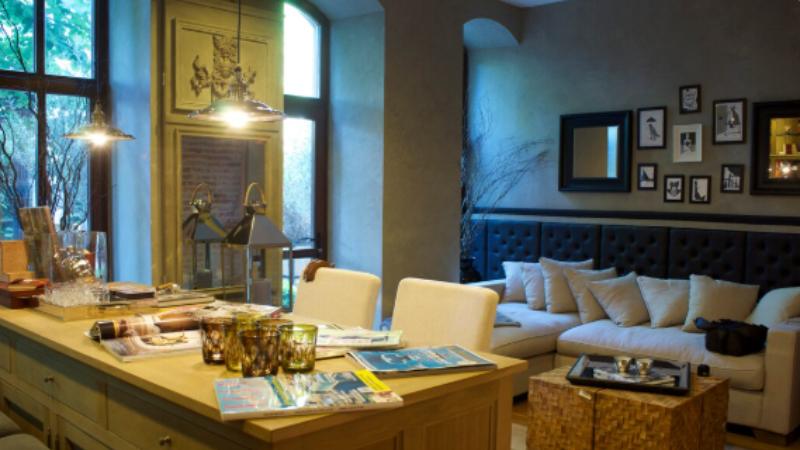
Designing and decorating a compact home can feel like solving a fun puzzle — every inch counts, and every design choice matters. While large homes offer endless possibilities, small spaces challenge us to think creatively, prioritize what truly matters, and make design decisions that combine function with beauty. The truth is, living in a smaller space doesn’t mean you have to compromise on style or comfort. With the right strategies, you can transform your compact home into a cozy, functional, and stunning retreat.
Below are practical design tricks, layout ideas, and styling tips to help you make the most of every corner and create a home that feels spacious, organized, and full of personality.
1. Embrace the Power of Light and Color
One of the simplest yet most effective ways to make a small space feel larger is through light and color. Light colors reflect natural light, making rooms appear airy and open.
-
Choose neutral base tones: Whites, soft grays, beige, and pastels expand the visual perception of space.
-
Add contrast with accents: Don’t shy away from bold colors — a navy throw pillow or emerald vase adds personality without overwhelming.
-
Maximize natural light: Keep windows clear of heavy drapes. Use sheer curtains or blinds that let the sunshine in.
-
Layer lighting: Combine ceiling lights, floor lamps, and wall sconces for warmth and depth.
By carefully balancing color and light, you can create a calm, welcoming space that feels much larger than it actually is.
2. Use Multifunctional Furniture
In a compact home, furniture must do more than look good — it should work hard for your lifestyle.
-
Opt for convertible pieces: A sofa bed, nesting tables, or a fold-out desk are perfect examples of space-saving designs.
-
Look for storage opportunities: Ottomans with hidden compartments or benches with drawers help reduce clutter.
-
Choose pieces with clean lines: Bulky furniture can visually shrink a room, while sleek designs keep the look light and uncluttered.
Multifunctional furniture doesn’t just save space; it also simplifies your daily life by keeping your home organized and efficient.
3. Make Vertical Space Work for You
When you can’t go outward, go upward. Utilizing vertical space is one of the most effective small-space strategies.
-
Install floating shelves: These add storage without eating into floor space.
-
Use tall bookcases: They draw the eye upward, creating the illusion of height.
-
Hang hooks or pegboards: Ideal for kitchens, entryways, or offices, they keep essentials accessible yet tidy.
You can even hang plants, artwork, or mirrors to make your walls functional and stylish.
4. Declutter and Simplify
In small homes, clutter can easily overwhelm. The golden rule: less is more.
-
Evaluate what you really need: Keep only items you love or use regularly.
-
Adopt smart storage habits: Use baskets, bins, and drawer organizers.
-
Practice “one in, one out”: When you buy something new, remove something old.
Decluttering doesn’t mean living without comfort or personality. It’s about surrounding yourself with meaningful items that bring joy while maintaining a clean, serene environment.
5. Create Zones in Open Layouts
Many compact homes feature open-plan living — a blessing and a challenge. Without walls to define areas, the space can feel chaotic.
-
Use rugs to define areas: A rug under your dining table or sofa sets boundaries visually.
-
Arrange furniture with intention: A sofa can separate the living space from the dining area.
-
Add subtle dividers: Screens, shelving units, or even plants can provide gentle separation without closing off the space.
Creating zones allows your compact home to feel organized, functional, and thoughtfully designed.
6. Incorporate Mirrors and Reflective Surfaces
Mirrors are small-space superheroes. They not only reflect light but also give the illusion of depth.
-
Hang a large mirror opposite a window: This doubles the light and makes the room seem larger.
-
Use mirrored furniture: A mirrored coffee table or dresser adds elegance and reflects visual space.
-
Try glossy finishes: High-gloss cabinets, tiles, or glass surfaces enhance brightness and openness.
When used strategically, mirrors can turn even the tiniest room into a spacious-feeling retreat.
7. Think Built-In, Not Bulky
Custom or built-in furniture is one of the best investments for small spaces.
-
Built-in wardrobes: Fit perfectly from wall to wall, maximizing every inch.
-
Window seating with storage: Combines relaxation and practicality.
-
Custom shelving: Fills awkward corners or alcoves that standard furniture can’t.
Though built-ins may cost more initially, they pay off through long-term space efficiency and a polished aesthetic.
8. Choose the Right Scale and Proportion
In design, scale matters. Oversized furniture can overwhelm a small room, while too many tiny items can make it feel cluttered.
-
Mix small and medium pieces: Strike a visual balance that keeps the space open yet inviting.
-
Leave breathing room: Don’t push every piece against the wall — allowing space between items makes the room feel larger.
-
Use fewer, better-quality pieces: Prioritize comfort, craftsmanship, and versatility.
Proportionate design ensures every element contributes to harmony and flow.
9. Bring in Nature
Even in a compact setting, natural elements breathe life into your home.
-
Add plants: Small potted plants or hanging greenery bring color and freshness.
-
Use natural materials: Wood, linen, jute, and stone textures create warmth and authenticity.
-
Let in sunlight: It connects your indoor space to the outdoors, expanding the perceived boundaries.
Nature-inspired decor not only enhances aesthetics but also improves mood and well-being.
10. Optimize the Entryway
Your entryway sets the tone for your entire home — even if it’s just a few feet wide.
-
Add wall hooks and slim benches: These provide storage and a place to sit while removing shoes.
-
Use vertical storage: Small cubbies or shelves can hold keys, mail, and bags.
-
Keep it tidy: A clutter-free entry makes your home feel instantly welcoming.
Even in a small footprint, a well-designed entryway can feel intentional and inviting.
11. Play with Textures and Layers
In small homes, you can’t rely on space for impact — but you can rely on texture.
-
Mix materials: Combine soft fabrics with wood, metal, or glass for depth.
-
Layer textiles: Cushions, throws, and rugs create visual richness.
-
Balance patterns: Stick to a cohesive color palette so the mix feels curated, not chaotic.
Texture adds dimension and comfort without cluttering the visual field.
12. Smart Storage Solutions for Every Room
Every compact home benefits from strategic storage — it’s the backbone of functional design.
-
Under-bed storage: Store linens, shoes, or off-season clothes.
-
Hidden drawers in stairs or platforms: Ideal for tiny homes or studio apartments.
-
Kitchen pull-outs and vertical racks: Keep essentials accessible while saving counter space.
-
Bathroom wall niches: Great for toiletries without adding bulky cabinets.
If you don’t have enough in-home space, it’s also worth considering off-site options, for instance, you could stash excess furniture or seasonal items in storage units San Antonio until you rearrange or de-clutter.
13. Keep a Consistent Design Theme
A small home feels larger when it tells a cohesive design story.
-
Stick to a unified palette: Too many colors can make rooms feel disjointed.
-
Repeat materials: For example, light oak or brushed brass can appear across different areas for consistency.
-
Maintain flow: Use similar flooring throughout to create visual continuity.
A consistent aesthetic connects rooms, creating a sense of calm and spaciousness.
14. Add Personality Through Details
Small spaces shouldn’t feel sterile or impersonal. Express yourself through thoughtful details.
-
Display artwork: Choose a few statement pieces instead of many small frames.
-
Curate, don’t clutter: Rotate decor items seasonally or display meaningful mementos.
-
Incorporate scent and sound: Candles, diffusers, or soft background music add to the atmosphere.
A well-edited, personalized home reflects your story — and that’s what makes it beautiful.
15. The Psychology of Space: Make It Feel Bigger
Beyond furniture and paint, certain design tricks influence how your brain perceives space.
-
Use consistent flooring: Fewer transitions make rooms feel continuous.
-
Keep sightlines open: Avoid blocking views with tall furniture.
-
Use light strategically: Bright corners extend boundaries and make spaces feel open.
When you blend functionality with visual psychology, your compact home truly feels expansive.
Final Thoughts
Living in a small home doesn’t mean living small — it means living smart. With creativity, organization, and the right design strategies, compact spaces can rival the style and comfort of much larger homes. Whether you’re furnishing a studio apartment, a tiny house, or a modest condo, these ideas will help you craft a space that reflects who you are while maximizing every inch.
Remember, great design isn’t about how much space you have, but how you use it. When done right, even the tiniest homes can radiate charm, elegance, and functionality — truly embodying the concept of