
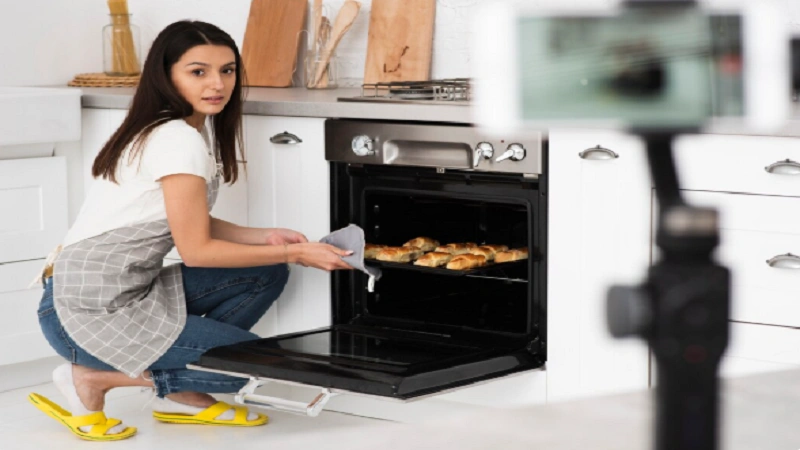
A portable warming oven helps keep meals hot and ready without using a full kitchen. It works with simple plug‑in power and holds a steady temperature that brings food to a safe, ready‑to‑eat level. To use a portable warming oven, place food in a flat, sealed container that can withstand heat, set it on the heating tray, and let the oven gradually warm it to a safe serving temperature.
Many models need no buttons or dials, making them easy to use at home, work, or while traveling. They heat food evenly and maintain warmth for hours without overcooking. This guide explains the basic steps, shares tips for safe and efficient use, and helps get consistent results every time.
Essential Steps to Use a Portable Warming Oven
A portable warming oven helps maintain food at a safe and appetizing temperature without overcooking it. Proper use involves choosing a model that matches space and power needs, using suitable containers, handling different types of food safely, and checking temperatures to prevent foodborne illness.
Selecting the Right Portable Oven for Your Needs
Choosing the right model depends on location, meal size, and power source. For travel or office use, a lightweight portable warming oven works well because it is compact and easy to carry. A larger one suits family use or outdoor events.
Check for features like adjustable temperature settings and compatibility with 12V, 24V, or 110V power. Look for a secure lid and a heat-resistant handle for safety. Some models include insulated interiors that better hold heat.
Verify if the oven fits standard food containers. Overfilled spaces block heat flow and result in uneven warming. Reading user reviews and confirming wattage before buying can help avoid problems later.
Preparing Your Meals and Containers
Correct preparation improves food texture and taste. Place meals in flat-bottomed containers with tight lids. Avoid deep dishes that trap air and slow heat transfer. Suitable materials include glass, plastic made for heat use, or foil trays.
Do not use Styrofoam or containers that might melt. Foods like sandwiches or pizza reheat well wrapped in parchment or foil. This approach keeps them from drying out and eases cleanup. If needed, add a small amount of sauce or liquid to maintain moisture.
Pack food in single layers instead of piles to allow even heat exposure. Label each container with food type and time if multiple items share the oven. A well-prepared setup saves power and shortens heating time, especially in mobile use.
Heating Fresh, Frozen, or Leftover Food Safely
Each food type needs different care. Fresh meals usually need less time, while frozen food takes longer. Thaw frozen items in a refrigerator before use if possible. Unevenly frozen food can heat inconsistently and leave cold spots.
Leftovers should reach at least 165°F internally. Place dense foods like meats closer to the heating element. Thin items such as vegetables can sit on top racks. Avoid tightly sealing every container if steam release is required, since pressure buildup can cause spills.
Check food halfway through the process and stir or rotate as needed. Consistent heat distribution prevents undercooked areas and improves taste. Use power settings recommended by the manufacturer for best results.
Using a Food Thermometer for Safety
Using a thermometer confirms that food reaches a safe temperature before eating. Insert the thermometer probe into the thickest section of the meal, away from container edges. Readings should show at least 165°F for cooked items and leftovers.
Do not rely on appearance alone, since color and texture can mislead. For liquid meals like soups or stews, stir before measuring because surface temperatures may vary.
Clean the thermometer with warm soapy water after each use. Keep it with the oven for quick access. Consistent use reduces the chance of foodborne illness and helps maintain steady quality for each meal.
Tips for Optimal Results and Food Safety
Proper use of a portable warming oven depends on steady heat transfer, careful temperature control, and regular upkeep. Food quality improves when heat spreads evenly, safety guidelines are followed, and equipment stays clean and functional.
Achieving Even Heat Distribution Using Conduction Heating
A portable warming oven uses conduction heating to move heat from its base plate into the container and then into the food. Flat-bottomed containers made of glass or metal transfer heat efficiently. Using containers with tight-fitting lids helps trap moisture while preventing hot spots.
For balanced results, users should place food in a single, even layer. Thick or uneven portions reheat poorly. Dividing food into smaller portions before placing it in the oven helps each piece reach a safe temperature.
Accuracy matters. Foods must reach 165°F (74°C) to be safe for consumption. A food thermometer helps confirm this temperature. If reheating multiple items, rotate containers halfway through the process to maintain even warmth. Consistent contact between the container and the heating surface leads to better texture and taste.
Maintaining Food Warmth and Quality for Hours
Portable warming ovens can keep food warm for several hours without burning or drying it. They often maintain a steady internal temperature near 165°F, the range needed to hold food safely. Covering food with lids or heat-safe wraps helps maintain moisture and flavor.
To keep texture stable, avoid overfilling containers. Heat must move freely around the food for steady results. Foods high in starch, such as rice or potatoes, should be pre-cooked because raw versions may not heat through properly.
Over time, some foods may lose freshness if left in the oven too long. Checking the texture and temperature periodically helps prevent soggy or tough results. If food will stay warm for an event, stir or rotate items occasionally to keep them at even heat levels.
Best Practices for Cleaning and Maintenance
Clean portable warming ovens after each use. Unplug the unit and allow it to cool before wiping the interior and exterior surfaces with a damp cloth. Avoid harsh cleaners that could damage the heating element or insulation.
Any removable liner or tray should be washed with mild soap and water. Dry all parts completely before reassembly to prevent moisture buildup. Regular cleaning prevents the growth of bacteria and protects the heating surface from residue that might interfere with even heat distribution.
Inspect the power cord and heating plate regularly. If cracks, frayed wires, or discoloration appear, stop use until replacement parts are installed. Storing the oven in a dry space also extends its service life and keeps it ready for safe use.
Conclusion
A portable warming oven offers simple, steady heat for a wide range of foods. It keeps meals at safe temperatures without constant attention, which makes it useful at home, in travel, or outdoors. The design stays compact while giving consistent results for reheating or slow cooking.
Users can choose containers that handle moderate heat, such as glass, aluminum, or heat-safe plastic. Each material has its own strengths, yet all work well if they remain sealed and flat on the heating surface. Proper setup helps food stay moist and evenly warmed.
This small device suits people who need convenience and safety in one unit. It saves time, limits mess, and prevents overcooking. By following basic steps and temperature guidelines, users can enjoy hot, ready meals wherever they go.