
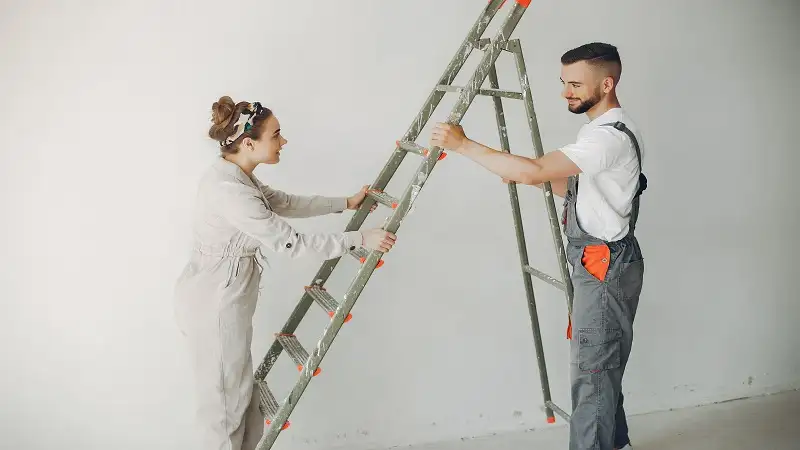
Many people trust telescopic ladders for home projects or job sites because they save space and adjust to different heights. Yet this convenience only matters if the ladder is truly safe to use. A telescopic ladder is safe when every locking section works properly, the frame shows no damage, and the feet stay firmly in place on a stable surface.
Before anyone climbs, a few quick checks can prevent falls and injuries. Each rung, latch, and base section should feel solid, not loose or worn. Dirt, moisture, or small cracks can all create hidden risks. Simple steps, such as confirming the locks click into place or checking the ladder angle, make a major difference in safety.
This article explains how to examine your telescopic ladder before use and how to set it up for stable, secure work. It also covers proper handling methods so every job stays safe from start to finish.
Safety Checks Before Using a Telescopic Ladder
A telescopic ladder must stay in strong condition before anyone climbs it. The most important tasks involve checking for damage, testing the locks, and confirming that the equipment can safely support its intended weight.
Inspecting for Damage or Defects
Before setup, users should look carefully at each rung, joint, and extension rail. Any bend, dent, or crack can affect balance and put the user at risk. Even small distortions may cause uneven pressure that leads to collapse.
Pay close attention to end caps, rivets, and side rails. Dirt or corrosion can hide defects, so cleaning the ladder before inspection helps expose hidden damage. Aluminum models often resist rust, yet abrasive wear at joints can still appear over time.
A 15 ft telescopic ladder should also have smooth sliding between sections and no visible gaps between rung locks. Replace or professionally repair any section that shows weakness. A ladder is unsafe if it fails to extend evenly or has missing parts such as foot pads or safety clips.
Checking the Locking Mechanism
Locks keep the sections from slipping during use, so they must stay firm and free of dirt buildup. Each locking tab should click cleanly into its slot after extension. Failure to hear or feel that click might indicate a stuck or broken pin.
Users should extend and retract the ladder one step at a time. Test each stage by applying slight pressure to confirm the locks hold firmly. Stiff movement may point to misalignment or debris, which needs cleaning and inspection before the next climb.
If a locking button or latch remains loose, it can allow sudden collapse. Therefore, it is safer to stop use until the mechanism works predictably. Consistent tension across all locks shows the ladder’s internal structure still functions as designed.
Verifying Maximum Weight Capacity
Every telescopic ladder has a rated load limit printed on its label or manual. This number includes both a person’s body weight and any tools carried. A typical household model may support about 330 to 400 pounds, which covers most home repair work.
Exceeding this capacity stresses the joints and rungs, causing bending or slippage. Therefore, before use, check that the ladder’s rating matches the work requirements. Heavier users or those carrying equipment should select higher-capacity ladders.
Also confirm the base surface can hold that same weight. Soft soil or slick tiles increase downward pressure unevenly. Combining a stable surface with the correct rating prevents sudden failure mid-task and helps maintain balance during repeated climbs.
Proper Setup and Safe Operation Guidelines
A telescoping ladder stays safe only if it is placed on solid ground, expanded correctly, and locked before use. Safety depends on stable positioning, proper contact with surfaces, and a steady method of extension and retraction. Small checks before climbing prevent slips, collapses, and other accidents.
Positioning the Ladder Correctly
The ladder must stand at the right angle for balance and support. A general rule is about a 75-degree angle, which allows steady footing and prevents backward tipping. The user can test this by standing at the ladder’s base and reaching forward; their palms should rest on a rung at shoulder height without leaning.
Set the base on a flat surface and keep both top rails touching a stable wall. Avoid placing the ladder near doors, loose objects, or under overhanging wires. Obstacles reduce workspace and may lead to contact hazards.
Each step must stay parallel with the ground, and both lock indicators on a telescoping ladder should show full engagement before use. A loose or half-locked rung signals a setup error that must be corrected before climbing.
Guaranteeing Stability on Different Surfaces
Uneven or soft ground needs extra care. A telescoping ladder can slip or tilt if one leg sits lower than the other. To fix this, use ladder stabilizers, leg levelers, or firm boards under the feet to create equal support on both sides.
Hard surfaces, such as tile or concrete, require non-slip feet for grip. Dirt or oil beneath the ladder reduces traction and must be cleaned away first. Outdoors, the user should avoid placing the ladder on wet grass or gravel without added support, as these surfaces shift easily.
If someone nearby can hold the ladder’s base, stability improves even more. They act as a safeguard during climbs, especially in windy or unstable areas.
Following Extension and Retraction Procedures
Extend a telescoping ladder slowly from the bottom section upward. Each part must lock with an audible click before raising the next one. The locking mechanism should feel tight, not loose or flexible. Any movement in the rungs means the ladder is unsafe to use until corrected.
Before climbing, check all locks again. A simple inspection confirms each section has seated fully. To lower the ladder, start from the top and release locks one segment at a time. Hands and fingers must stay clear of sliding parts to prevent pinching injuries.
Never overload the ladder beyond its rated weight limit. This includes the user’s body weight plus tools and materials. A careful extension and controlled retraction process keep both the user and the ladder in good working condition.
Conclusion
A telescopic ladder can be safe to use if it passes a few simple checks. The locks must hold firmly, each section must extend smoothly, and there should be no cracks, dents, or loose parts. These details show whether the ladder can support weight securely.
Users should also verify that the ladder meets recognized safety standards such as EN131-6. This certification means it has passed structural and stability tests. Without it, the ladder may not meet basic safety expectations.
Inspecting the surface before setup and keeping the ladder clean help prevent accidents. Regular checks for wear keep it in proper condition.
By following these steps, users can feel confident that their telescopic ladder remains safe and ready for use.