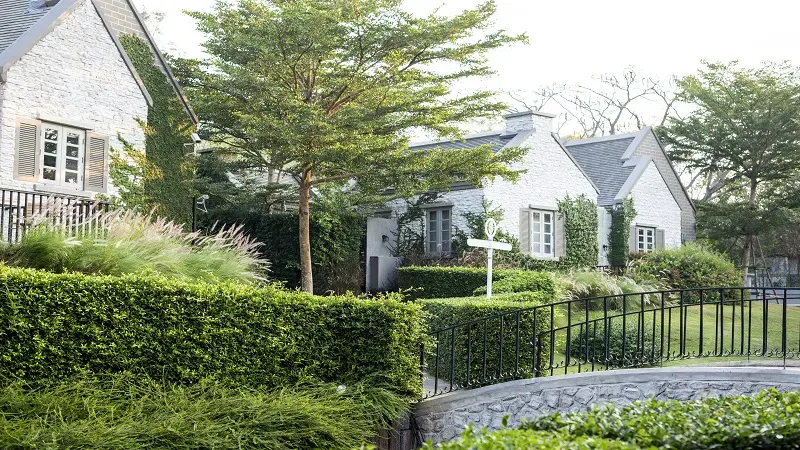
You had big plans for your outdoor space this year, like a modern lounge area or a lush border display. Then you stepped onto your patio, glanced at the dated decor left behind by previous trends, and retreated inside.
Several once-popular outdoor styles are now fading in 2026, and more homeowners are now ready to clean the slate. So, before you lose another Saturday pampering outdated features you secretly wish would vanish, take a look at what is on its way out.
1. Water Features
Grand fountains, artificial waterfalls, and noisy plug-in water features were once the best back garden flex. However, British weather and constant maintenance have gradually turned these focal points into expensive, algae-covered headaches for busy families.
Moving water sounds relaxing until the pumps freeze during one harsh winter spell or gather floating debris every single autumn. Cleaning slime off pumps while avoiding angry wasps is hardly the restful weekend ritual most people envisioned.
Many homeowners are replacing these high-maintenance fixtures with natural wildlife ponds or low-fuss birdbaths. After all, quiet outdoor spaces shouldn’t require a background noise that sounds like a leaking kitchen pipe.
2. Artificial Grass Installations
Plastic turf once promised a pristine green lawn without the hassle of weekly mowing or muddy pet paws. Today, homeowners are realising that synthetic grass brings its own peculiar set of problems.
During British summer heatwaves, artificial turf gets scorching hot underfoot, making it uncomfortable for pets and children. It also smothers the underlying soil, harms local biodiversity, and traps lingering pet odours despite frequent hosing down.
Real grass, clover lawns, and natural ground covers are making a massive comeback in modern outdoor spaces. People want soft, living green spaces that actually smell like nature rather than heated PVC.
3. Miniature Fairy Gardens
Tiny solar lights, painted resin toadstools, and miniature gnome villages briefly dominated suburban borders and containers. While charming for about five minutes, these plastic ornaments quickly weather, fade, and clutter up the landscape.
Sunlight can also degrade cheap resin quickly, leaving cracked figurines and discoloured decorations scattered around your flower borders. Winter gales often blow these lightweight pieces across the lawn, creating unnecessary clutter.
UK homeowners now prefer natural elements like carved timber, rustic stone, and subtle architectural planting. Tasteful, organic textures give outdoor spaces an elegant feel without looking like a toy store exploded.
4. Raised Garden Beds
Timber raised beds swept through residential gardens as the ideal solution for growing neat rows of vegetables. Over time, these boxy wooden structures have revealed their fair share of maintenance drawbacks and structural flaws.
Untreated wood rots quickly in wet British winters, while pressure-treated timber can leach unwanted chemicals into organic soil. Additionally, raised soil dries out rapidly in summer, requiring constant watering to keep plants alive.
Instead, gardeners are embracing natural, sunken borders and direct ground planting that retain moisture more effectively. Removing rigid wooden boxes frees up valuable ground space and creates a much smoother visual flow.
5. Vertical Gardens
Living green walls and vertical planter pockets promised to turn bare brick fences into lush wall-to-wall tapestries. In practice, keeping vertical soil systems adequately watered and nourished has proven to be an exhausting task.
Without expensive automated irrigation, individual wall pockets dry out at different speeds and leave unsightly dead patches. Pests also love hiding behind the backing panels, occasionally damaging external walls or timber fencing.
People are returning to classic climbing plants like honeysuckle, clematis, and climbing roses for vertical greenery. Traditional climbers offer gorgeous seasonal scent and bloom without requiring complex, high-maintenance plumbing setups.
6. Ornamental Gravel Gardens
Laying thick layers of decorative gravel over weed membrane once seemed like the best low-maintenance shortcut. Over time, autumn leaves, blowing soil, and rogue weeds transform those pristine pebble beds into an unsightly cleaning nightmare.
Trying to rake stray leaves without scooping up half your gravel is an exercise in pure frustration. Meanwhile, organic dust quickly settles between the stones, creating the perfect nursery for dandelions to take hold.
UK homeowners are swapping vast gravel patches for deep bark mulch, solid paving, or creeping groundcover. These natural alternatives keep weeds at bay while allowing essential moisture to reach the soil.
7. Over-Engineered Decking Platforms
Multi-tier timber decks with built-in LED spotlights and complex balustrades once dominated suburban garden redesigns. However, maintaining large wooden platforms against damp weather has left many people feeling utterly exhausted.
Timber decks require constant scrubbing, staining, and sealing to prevent them from becoming dangerously slippery hazard zones. The enclosed void underneath also forms a cosy home for urban foxes, rodents, and lost footballs.
Homeowners are choosing stone patios or natural flagstones for durable, stylish, and easy-to-clean entertaining areas.
If you need expert help reconfiguring your outdoor layout, hiring professionals who offer garden transformation services can instantly streamline the entire process.
8. Monolithic Concrete Paving Strips
Massive expanses of grey, non-porous concrete slabs briefly swept through urban plots aiming for a sleek minimal look. Unsurprisingly, British rainstorms quickly exposed the flaws of covering solid ground in impermeable hardscaping.
Heavy rainwater has nowhere to go on solid concrete, leading to pooling water, excess runoff, and stained surfaces. Over time, moss and algae settle in the joints, transforming modern patios into slick ice rinks every winter.
Property owners now favour permeable block paving, natural stepping stones, and gravel paths interplanted with creeping thyme. Softening the edges lets rainwater drain naturally while adding much-needed texture and character to your outdoor space.
9. Intricate Topiary Formations
Precision-clipped box spheres and elaborate spiral conifers once lined pristine walkways to signal refined horticultural taste. Maintaining those razor-sharp geometric silhouettes, however, demands constant trimming and endless patience.
Buxus blight and box tree caterpillars have devastated box hedging across the country, turning neat green shapes into brown twigs overnight. Spending hours with hand shears just to watch a pest ruin your hard work is truly soul-crushing.
Gardeners across the UK are swapping high-maintenance topiary for naturally mounding shrubs, ornamental grasses, and loose flowering perennials. Embracing relaxed, soft shapes saves countless hours of tedious pruning while creating a softer landscape.
Conclusion
Modern British gardens are moving away from artificial perfection and returning to practical, relaxed living. Phase out these dated features, and you will set your outdoor space up for years of effortless enjoyment.
Once that is done, grab a cold drink, pull up a chair, and finally enjoy the peaceful outdoor sanctuary you deserve.