
Home plumbing often operates quietly in the background, unnoticed, until something goes terribly wrong. Its importance to everyday life is undeniable, yet the intricacies of falling water pressure or an incessantly dripping faucet remain elusive to many homeowners. While the labyrinth of pipes, valves, and joints can seem daunting, understanding common plumbing issues can demystify the murky waters and foster a smoother household experience.
Leaky Faucets: A Silent Drainer
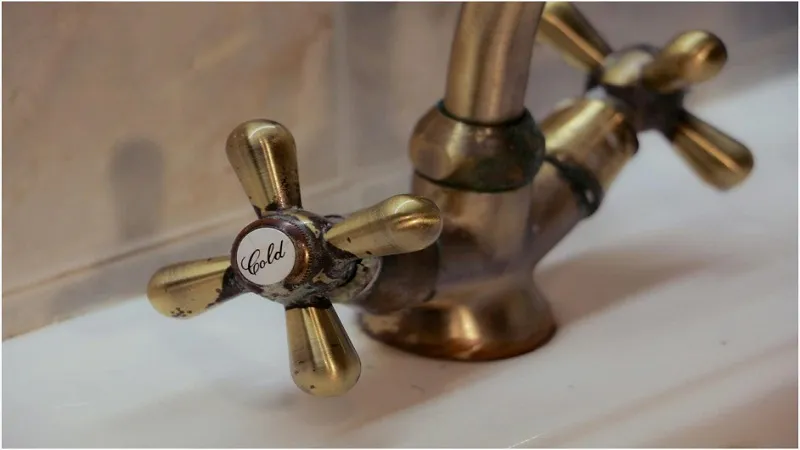
The steady drip of a leaky faucet is both nerve-jangling and wasteful. These leaks, often attributed to worn-out washers, can lead to irritation and unnecessary water bills. Addressing a leaky faucet doesn’t require the dismantling of the entire setup—replacing a washer is a relatively straightforward task. However, if unattended, this small issue can morph into a larger infrastructural nightmare.
Whether it’s the kitchen or bathroom, all faucets eventually wear down due to daily usage. Homeowners should also be aware of the benefits of modern faucet technology, such as ceramic disc valves, which offer more durable performance than traditional ones. In areas with fluctuating water pressure, installing pressure-reducing valves can also prevent stress on plumbing fixtures, reducing the likelihood of leaks at connection points.
If you live in the city or in the suburbs around Chicago and find yourself struggling with ongoing leaks, it might be time to consider external assistance from King Heating, Cooling & Plumbing, or a similar reputable service in your area, to get your leak repaired for long-term peace of mind.
Water Heater Woes
Cold showers are seldom welcome. If your water heater conks out, the first instinct might be to dread a massive repair bill, but not all is lost. Often, sediment build-up in the tank reduces the heater’s capacity, leading to lukewarm baths. Draining and flushing the tank can restore efficiency. Next time bathwater turns cold unexpectedly, remember that the remedy might be simpler than assumed.
Water heaters working arduously to provide warm water can sometimes overlook the simple need for a thermostat check. Improper settings can cause water to be hotter or colder than wanted, increasing energy inefficiencies. Understanding the standard temperature ranges and making necessary adjustments once a year can reduce undue wear and stress, thereby prolonging the water heater’s life.
The Perils of Low Water Pressure
Low water pressure in homes is a conundrum that frustrates many. More often than not, the culprit is not as elusive as you might think. Frequently, build-ups in the aerators or pipes create blockages that reduce water flow. The issue could be compounded in older homes where galvanized steel pipes might have corroded over time. A quick check for any visible leaks or installing a pressure gauge can often diagnose the root cause.
Many homeowners overlook the importance of regularly cleaning the aerators on faucets and showerheads, leading to gradual declines in water flow. Mineral deposits are common culprits that collect over time, narrowing pathways. Simply soaking the aerator overnight in a vinegar solution can do wonders. Furthermore, staving off water quality issues by having regular professional water treatment checks ensures fewer unexpected low-pressure problems down the line.
Blocked Drains: An Everyday Hazard
Few things spark more immediate exasperation than a blocked drain. Whether in the kitchen or bathroom, accumulated debris often obstructs the free flow of water. Unclogging drains is an art practiced by many—a mixture of baking soda and vinegar can often unclog smaller blockages. Yet, more entrenched blockages might demand expert attention, highlighting that sometimes combating these annoyances requires professional prowess.
Preventative measures play a crucial role in managing drain health. Consider investing in sink strainers that catch larger debris before it ventures deep into your pipes. Additionally, being mindful of what goes down the kitchen sink ensures a smoother functioning plumbing system. Matters like grease can congeal and deposit along pipe walls, setting the stage for stubborn blockages to form. Regular cleaning with natural drain cleaners can further mitigate potential problems.
The Phantom Flusher: Toilet Troubles
A toilet that inexplicably flushes on its own isn’t possessed. Known as “phantom flushing,” this phenomenon is a result of a leaking toilet tank. The incessant loss of water is not just an auditory inconvenience but a waste of resources. A worn-out flapper or a misaligned float can often be the malefactor here. Attending to these minor adjustments can stop the incessant running and save gallons of water.
Under the Kitchen Sink: Garbage Disposal Troubles
If your garbage disposal takes a sudden hiatus, it might not have reached its life’s end. Often, a simple reset or clearing any lodged debris can bring your disposer back to life. But remember, fundamental to its operating continuity is what you feed it—bones and coffee grinds are frequent offenders when it comes to jams.
Consistent maintenance of your garbage disposal includes running cold water while it operates, ensuring the smooth breakdown of particles without leaving residue behind. Furthermore, cleaning it frequently with baking soda and citrus peels can ward off unpleasant odors, adding an extra layer of functionality to your kitchen maintenance routine.
Conclusion
Home plumbing can appear a daunting labyrinth reserved for experts. Yet, armed with knowledge about these common issues, homeowners can address many annoyances before they mushroom into costly repairs. Tackling your plumbing concerns leads to not only fewer headaches but a smoother-running household. So, while plumbing issues often arise at inconvenient moments, understanding the basics can set you on a path to becoming your own home’s problem solver.