
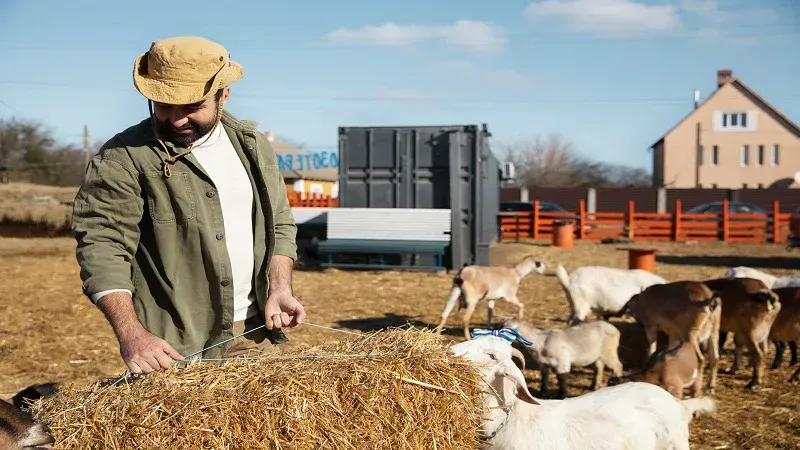
Commercial farm managers face an expanding list of daily pressures. You are expected to maintain peak animal performance while navigating volatile raw feed costs, strict environmental regulations, and rising heat stress levels across your herds. Adding to this friction is a growing consumer demand to drop synthetic chemicals and antibiotics from production lines entirely.
For decades, the standard response to poor herd performance was simply to increase crude protein levels in the diet. This outdated mindset assumes that meeting basic macronutrient requirements is enough to guarantee a healthy, productive animal. However, modern science proves that dumping more soybean meal or synthetic additives into the mixer is not a sustainable path to animal health.
True herd resilience requires a foundational shift in how we approach nutrition. As modern livestock management shifts away from synthetic additives, producers are discovering that systemic animal wellness relies on optimizing exactly what goes into the feed trough. By prioritizing plant-based, non-synthetic animal feed ingredients, farm managers can ensure safer feed that drives genuine immune and metabolic resilience from the inside out.
Key Takeaways
- Functional feed ingredients move past basic nutrition to actively support digestion, gut integrity, and natural immune responses.
- Plant-based additives, including natural enzymes and osmoregulators, directly mitigate environmental and metabolic stressors like heat and crowding.
- Replacing excess crude protein with functional alternatives lowers feed costs and reduces environmental nitrogen excretion without sacrificing performance.
What Are Functional Feed Ingredients?
A common question among progressive feed mill nutritionists is how functional feed ingredients actually differ from traditional inputs like crude protein. Traditional livestock diets focus heavily on basic macronutrients. They supply the raw fuel needed for growth, but they do little to optimize how the animal’s body processes that fuel.
Modern functional nutrition targets the health of the whole system. Rather than just providing calories and basic amino acids, functional feeds include specific bioactive compounds that actively improve the animal’s physiological state.
“Animal nutrition is shifting the focus from simply providing animals with feed to the nutrition of the whole system, balancing health, welfare, and ecological attention.”
These specific ingredients elicit a beneficial response above and beyond an animal’s basic nutrient requirement, primarily aiding digestion and gut health during critical transition periods. They act as biological catalysts, ensuring the animal extracts maximum value from its diet while fighting off systemic stress.
Many producers wonder if plant-based feed additives can effectively replace traditional synthetic chemicals and growth promoters. The answer lies in the bioactive properties of natural plant extracts. Compounds like saponins, tannins, and essential oils create a hostile environment for harmful pathogens while promoting beneficial gut bacteria, offering a natural and highly effective alternative to synthetic interventions.
Why the Industry is Moving Beyond Basic Crude Protein
The livestock industry is rapidly shifting away from synthetic additives and high crude protein diets toward natural, bioactive alternatives. This shift is driven by a combination of biological necessity and harsh economic realities. High raw material prices force producers to seek better efficiency, and reliance on synthetic chemicals often leads to consumer pushback and regulatory headaches.
Environmental regulations present a massive pain point for commercial farms today. Overfeeding crude protein as a safety net leads directly to problematic nitrogen excretion. When animals consume more protein than they can digest and absorb, the excess is excreted in manure, converting into ammonia. High ammonia levels cause respiratory distress in barns and invite heavy regulatory fines.
Optimizing feed formulations with digestible amino acids and enzymes allows for decreased crude protein levels without significant loss of production, offering major environmental gains. By focusing on how well the feed is absorbed rather than just how much protein is in the trough, managers solve two problems at once.
This is not a fringe movement. Upcycled and functional ingredients made up 37% of livestock feed ingredients in 2023. Commercial mills are adopting these natural inputs at scale because the economic and environmental benefits are simply too large to ignore.
Building Resilience From the Inside Out
Gut Health and Nutrient Bioavailability
Optimal digestive efficiency at the trough directly dictates systemic health and immune response. Roughly 70% of an animal’s immune system resides in the gut. If the gastrointestinal tract is inflamed or imbalanced, the animal wastes vital energy fighting internal battles instead of growing or producing.
Natural feed additives improve gut health and nutrient bioavailability by optimizing the digestive environment. Natural multi-enzyme complexes play a starring role in this process. Monogastric animals, like swine and poultry, lack the internal enzymes needed to break down complex carbohydrates found in many raw grains. Multi-enzymes added to the feed accelerate digestion rates and boost the nutritive value of the raw feed by unlocking these trapped nutrients.
Plant-derived additives also provide structural support to the digestive tract. Ingredients like yucca extract support intestinal microflora balance and enhance gut integrity. By binding ammonia in the gut, yucca reduces intestinal irritation. A thick, healthy mucosal lining establishes the strongest first line of immune defense against invading pathogens.
Defending Against Environmental and Metabolic Stress
Livestock face constant acute production challenges, from severe heat stress in the summer months to heavy pathogen pressure in crowded barns. Functional ingredients act as an internal shield, protecting livestock against these environmental and metabolic stressors.
Natural osmoregulators, like betaine extracted from sugar beets, protect cellular health during rapid growth stages, crowding, and heat stress. When an animal experiences heat stress, its cells lose water and shrink, leading to severe metabolic decline and a massive drop in feed intake. Betaine helps maintain cellular water balance without forcing the animal to burn extra energy, keeping them hydrated and feeding consistently even when barn temperatures spike.
Trace minerals are another critical component of stress defense. Natural, high-grade trace-mineral complexes prevent deficiencies that lead to weak bone density, poor eggshell quality, and decreased hatchability. Because these natural complexes are highly bioavailable, they absorb easily into the bloodstream, fortifying the animal’s structural framework.
| Functional Ingredient Type | Primary Mechanism | On-Farm Benefit |
|---|---|---|
| Multi-Enzyme Complexes | Breaks down complex carbohydrates and non-starch polysaccharides. | Unlocks trapped nutrients, allowing use of cheaper raw feed ingredients. |
| Natural Osmoregulators | Maintains cellular water balance during dehydration. | Protects against heat stress and prevents feed intake drop-offs. |
| Plant Extracts (e.g., Yucca) | Binds ammonia and supports beneficial gut microflora. | Reduces barn odor, limits respiratory issues, and strengthens gut immunity. |
| Trace-Mineral Complexes | Provides highly bioavailable zinc, copper, and manganese. | Improves bone density, hoof health, and eggshell quality. |
The Impact on Producer ROI and Feed Conversion
Bridging the gap between advanced nutritional science and tangible on-farm profitability comes down to efficiency. Investing in high-quality trough inputs directly translates to better feed conversion ratios (FCR) and lower overall costs. When animals process feed more efficiently, you need less total volume to reach target weights.
Functional digestive aids specifically enhance micelle and liposome formation in the gut. This biological process breaks down dietary fats into microscopic droplets, vastly increasing the surface area available for nutrient absorption. As a result, animals absorb significantly more energy and nutrients from every single pound of feed they consume.
Improving FCR through natural enzymes and absorption accelerators enables feed mills to reduce raw feed costs while maintaining top-tier animal performance. Instead of buying the most expensive, highly digestible protein sources, nutritionists can formulate diets with more cost-effective alternative ingredients. The functional additives bridge the digestibility gap, protecting profit margins while keeping the herd healthy and resilient.
Conclusion
Real herd resilience and stress tolerance do not come from synthetic bandaids or outdated reliance on sheer crude protein volume. True health starts fundamentally at the trough with bioactive, functional nutrition.
Shifting your focus from basic macronutrients to functional, natural ingredients solves both biological and economic challenges on the farm. You improve gut health, build internal defenses against heat stress, and drastically lower feed costs by optimizing nutrient absorption. Furthermore, you eliminate the environmental liability of excess nitrogen excretion.
By adopting plant-based inputs, you secure a highly profitable operation while ensuring the safest feed for your producers and the highest quality food for consumers. The future of livestock management is natural, efficient, and resilient from the inside out.