
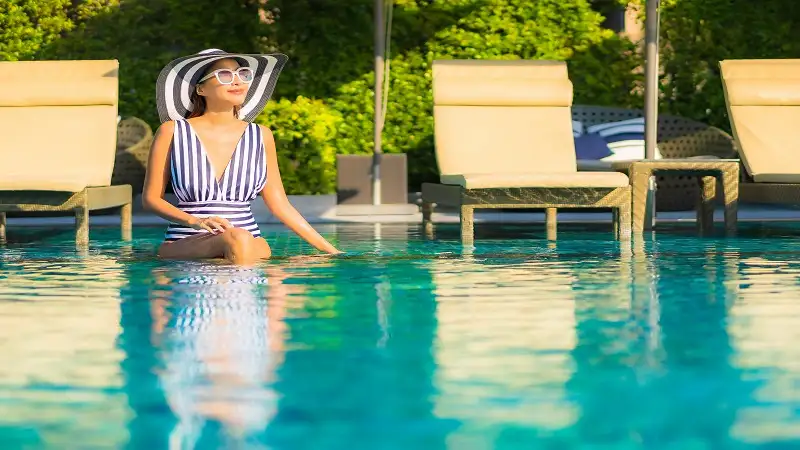
Having a swimming pool at home is no longer a luxury reserved for the wealthy. Whether you have a sprawling backyard or a compact outdoor space, there’s a pool design that can fit your home, lifestyle, and budget. From sleek lap pools to cozy plunge pools, homeowners today have endless options to create their personal oasis. However, before diving into installation, it’s crucial to understand pool styles, associated costs, and ongoing maintenance needs.
This guide covers everything you need to know about choosing the right pool for your home—exploring the most popular designs, cost breakdowns, and practical maintenance tips to help you enjoy your investment for years to come.
Why Every Home Deserves a Pool
A swimming pool offers much more than just a place to cool off—it’s a lifestyle upgrade. Pools bring relaxation, recreation, and fitness opportunities right into your backyard. For families, it’s a safe and convenient way for kids to play and stay active. For adults, it provides a peaceful escape after a long day or a perfect setting for social gatherings.
Moreover, a well-designed pool can significantly enhance property value. Real estate experts note that a home with a well-maintained pool often attracts more buyers and can sell faster in warmer regions. Beyond the financial aspect, pools create lasting memories and improve quality of life—making them one of the most rewarding home additions.
Choosing the Right Pool Style for Your Space
The perfect pool starts with the right style. Your decision should depend on your available space, budget, aesthetic preferences, and how you plan to use the pool. Here are the most popular options:
a. In-Ground Pools
In-ground pools are built directly into the landscape and are the most durable and customizable option. They come in three main types—concrete, vinyl liner, and fiberglass.
-
Concrete pools are highly durable and fully customizable in shape and size, ideal for those wanting a unique design.
-
Fiberglass pools come pre-molded and are easier to install, offering a smooth surface that resists algae buildup.
-
Vinyl liner pools are more affordable but require liner replacement every 7–10 years.
These pools offer a luxurious, permanent feature that blends seamlessly with your outdoor design.
b. Above-Ground Pools
For homeowners on a tighter budget or with limited space, above-ground pools are a practical alternative. They’re easier to install, portable, and available in various sizes. While they don’t offer the same aesthetic appeal as in-ground pools, modern designs with decks and landscaping can make them look stylish and inviting.
c. Plunge Pools
If you have a small yard or want a relaxing dip rather than a swimming workout, plunge pools are ideal. Compact yet elegant, these pools are perfect for cooling off or hydrotherapy. They’re also easier to maintain due to their smaller size and water volume.
d. Lap Pools
Designed for fitness enthusiasts, lap pools are long and narrow—perfect for swimming exercise routines. They’re often installed along the length of a yard or next to a wall, making efficient use of space while providing a sleek modern look.
e. Infinity Edge Pools
For homes with scenic views or sloped backyards, infinity pools create a visual illusion where the water appears to merge with the horizon. They are stunning but also more complex and expensive to build due to specialized engineering and water circulation systems.
Understanding Pool Costs: What to Expect
Before committing, it’s essential to understand the full financial scope of a swimming pool project. Costs can vary widely based on materials, design complexity, and added features.
a. Installation Costs
-
In-ground concrete pools: $50,000–$100,000 depending on size and customization.
-
Fiberglass pools: $40,000–$70,000 including installation.
-
Vinyl liner pools: $30,000–$60,000.
-
Above-ground pools: $3,000–$10,000 for standard models.
Additional features like lighting, heating, waterfalls, or automation can significantly increase the total price.
b. Operational and Maintenance Costs
After installation, expect recurring costs for water, electricity, and cleaning supplies. On average:
-
Monthly maintenance: $100–$300 (depending on size and service frequency).
-
Annual heating costs: $500–$2,000 for heated pools.
-
Water refilling and chemical costs: around $500 annually.
c. Permits and Insurance
Local regulations may require permits for construction and safety features such as fences. These permits typically cost between $200–$2,000 depending on location. You may also need to adjust your home insurance policy to cover pool-related liability.
Essential Maintenance Tips for a Long-Lasting Pool
A pool is only as good as its maintenance routine. Consistent upkeep ensures crystal-clear water, safe swimming conditions, and a longer pool lifespan. Here’s how to care for your pool effectively:
a. Regular Cleaning and Skimming
Leaves, insects, and debris can quickly accumulate. Skim the pool daily using a net and vacuum the floor weekly. Clean the walls with a brush to prevent algae buildup. If you prefer automation, consider a robotic pool cleaner for hands-free convenience.
b. Water Chemistry Balance
Maintaining proper water chemistry is crucial. Check and adjust the pH, chlorine, and alkalinity levels weekly:
-
pH: 7.2–7.6
-
Chlorine: 1.0–3.0 ppm
-
Alkalinity: 80–120 ppm
Unbalanced water can lead to corrosion, cloudy water, and skin irritation. Use testing kits to monitor levels regularly.
c. Filtration System Care
Your pool’s filter removes impurities and keeps the water clear. Clean cartridge filters monthly or backwash sand filters as needed. Ensure the pump runs at least 8–12 hours a day during peak swimming seasons for optimal circulation.
d. Shock Treatment
Perform a shock treatment (super-chlorination) once every two weeks or after heavy pool usage. This helps eliminate bacteria, organic contaminants, and cloudy water.
e. Seasonal Maintenance
In colder climates, winterizing the pool prevents damage. Drain some water, clean thoroughly, add winter chemicals, and cover the pool securely. In spring, recheck all systems before reopening.
Energy Efficiency and Eco-Friendly Pool Options
Modern pool designs increasingly emphasize sustainability. Homeowners can now enjoy luxury while reducing environmental impact and energy bills.
a. Solar Heating Systems
Solar pool heaters use roof-mounted panels to warm water naturally. Though initial installation costs range between $3,000–$7,000, they drastically cut energy expenses over time.
b. Variable-Speed Pumps
Traditional pumps run at full speed continuously, wasting electricity. Variable-speed pumps adjust to water circulation needs, reducing energy consumption by up to 70%.
c. Saltwater Pools
Instead of chlorine tablets, saltwater systems use electrolysis to produce natural chlorine. They are gentler on the skin, reduce chemical costs, and are easier to maintain in the long run.
d. Pool Covers
Using a cover minimizes evaporation, keeps debris out, and helps retain heat—saving both water and energy. Automatic covers add convenience and safety for households with children.
Enhancing Your Pool Experience with Design Features
Once the basics are covered, you can elevate your pool area with creative design enhancements.
a. Lighting and Ambiance
Underwater LED lighting adds beauty and extends pool usability into the night. Choose color-changing options for a dramatic effect during parties or events.
b. Landscaping and Decking
Surround your pool with greenery, stone pavers, or wooden decking for a resort-style aesthetic. Adding shade structures, pergolas, or umbrellas also enhances comfort.
c. Water Features
Incorporate waterfalls, fountains, or bubblers to add movement and soothing sounds to your pool area. These features can turn a simple pool into a spa-like retreat.
d. Smart Pool Technology
Today’s pools can be controlled from your smartphone—adjust lighting, temperature, and filtration with a single tap. Automation not only adds convenience but ensures consistent maintenance.
Safety First: Protecting Your Family and Guests
Safety should always come before aesthetics. Here are essential safety features every pool owner should implement:
-
Fencing: Install a four-foot-high self-locking fence to prevent unauthorized access.
-
Pool Covers: Use strong safety covers when the pool isn’t in use.
-
Alarms: Add pool entry alarms or water motion sensors for additional protection.
-
Non-slip Surfaces: Choose textured tiles or mats around the pool to prevent accidents.
If you have children or pets, teach them pool safety rules early and never leave them unattended.
Final Thoughts: Making Your Pool Investment Worthwhile
Installing a pool is a major decision, but when done right, it can transform your home and lifestyle. Whether you opt for a small plunge pool or a grand infinity edge masterpiece, each style offers unique benefits. The key lies in understanding your needs, budgeting wisely, and maintaining the pool diligently.
A pool isn’t just an addition—it’s a long-term investment in your health, happiness, and home value. With proper care and thoughtful design, you can enjoy endless summers of relaxation and recreation right in your backyard.