
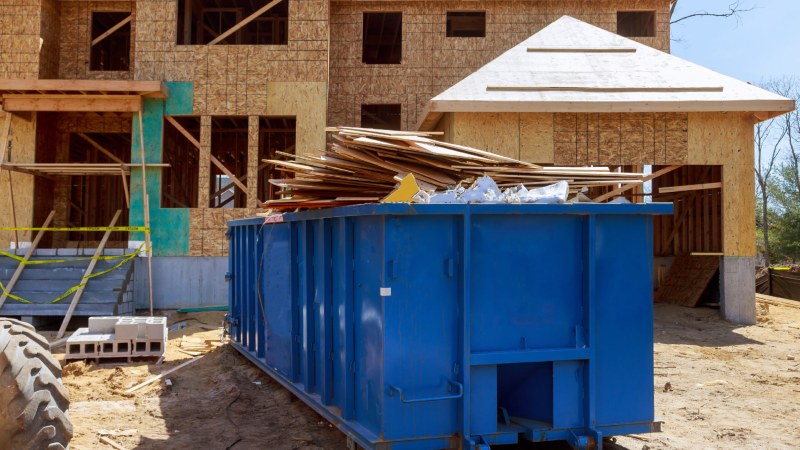
Multi-stage home improvement projects create a different kind of cleanup challenge than simple one-day repairs. A homeowner may start by clearing out rooms, then move into demolition, material delivery, installation, and final cleanup over several weekends or months. Each stage produces a different type of debris, and without a plan, waste can quickly spread through the garage, driveway, yard, or active work areas.
A residential dumpster can help homeowners keep these projects organized from beginning to end. Instead of waiting until every phase is complete to deal with debris, homeowners can build waste removal into the project timeline. This makes the work easier to manage, protects usable space around the property, and helps each stage move forward without unnecessary clutter.
Why Multi-Stage Projects Require Better Waste Planning
A small repair may only generate a few bags of trash or a small pile of scrap material. A multi-stage project is different because debris builds in waves. The cleanout phase may involve old furniture, boxes, storage items, or appliances, while demolition can produce drywall, flooring, cabinets, trim, tile, and fixtures.
Later stages add packaging, cutoffs, damaged materials, and leftover supplies. Because debris keeps changing throughout the project, homeowners need more than a basic cleanup plan. They need a strategy that supports the full timeline rather than only the final cleanup day.
Planning ahead helps prevent every phase from leaving behind a mess for the next one.
Starting With a Full Project Walkthrough
Before ordering a dumpster, homeowners should walk through the entire project and think through each stage. This includes identifying which rooms will be cleaned out, what materials will be removed, what new materials will arrive, and where debris will be created.
A kitchen renovation, for example, may involve cabinet removal, appliance replacement, flooring work, drywall repair, and packaging from new cabinets or fixtures. A basement project may start with storage cleanout before moving into framing, drywall, flooring, and trim. Each step affects how much waste the project will create.
A walkthrough helps homeowners choose a better dumpster size and schedule the rental at the most useful point in the project.
Matching Dumpster Timing to the Project Schedule
Timing is one of the most important parts of residential dumpster planning. If the dumpster arrives too early, it may sit unused before the project begins. If it arrives too late, debris may already be piled in the driveway or garage.
For multi-stage projects, homeowners should schedule the dumpster around the highest debris-producing phases. Cleanouts and demolition usually create the most immediate volume, while installation work produces smaller but steady amounts of waste. Having the dumpster available during these key stages makes cleanup more efficient.
When the project timeline is uncertain, it helps to choose a rental period that allows enough flexibility for slower weekend work or unexpected delays.
Choosing the Right Dumpster Size
Many homeowners underestimate how much debris a multi-stage project will produce. A single room remodel may seem manageable at first, but old flooring, cabinets, drywall, trim, packaging, and miscellaneous clutter can fill space quickly.
Choosing the right size depends on the type of materials being removed and the length of the project. Lighter household clutter takes up space differently than heavy materials like tile, plaster, brick, dirt, or concrete. Homeowners should also account for packaging from new materials, which can add surprising volume.
Working with a provider such as Temporary Dumpster can help homeowners plan for cleanup needs across different phases of a home improvement project. A better size decision reduces the risk of filling the container too soon or needing extra disposal arrangements mid-project.
Planning Dumpster Placement Carefully
Dumpster placement affects how easy the project is to manage. The container should be close enough to active work areas to reduce carrying distance, but it should not block the garage, daily parking, delivery routes, sidewalks, or contractor access.
For projects that involve multiple rooms or exterior work, homeowners should think about how debris will travel from the work area to the dumpster. A driveway location may be ideal for interior renovations, while a side-yard or curbside placement may be more practical for landscaping or exterior projects if local rules allow it.
Good placement saves time and reduces unnecessary hauling throughout the project.
Separating Cleanout Debris From Construction Waste
Multi-stage projects often begin with clearing out the space before construction starts. This first phase may include furniture, boxes, old décor, worn-out storage items, broken household goods, and general clutter.
Once demolition begins, the waste stream changes. Construction debris may include wood, drywall, flooring, tile, trim, cabinets, and fixtures. Keeping these phases organized helps homeowners understand what is being removed and prevents the work area from becoming chaotic.
Even when materials are going into the same dumpster, thinking in phases helps the project feel more manageable.
Keeping Work Areas Clear Between Stages
One of the biggest benefits of using a residential dumpster is that it helps homeowners reset the workspace between phases. After demolition, debris can be removed before new materials are staged. After installation, packaging and scraps can be cleared before final finishing work begins.
This matters because clutter slows progress. Tools become harder to find, materials are harder to organize, and work areas become less comfortable to use. Keeping rooms, garages, and pathways clear allows each phase to begin with fewer obstacles.
A cleaner workspace also makes it easier to see what still needs to be done.
Managing Packaging From New Materials
Homeowners often focus on demolition debris but forget about packaging. Cabinets, flooring, appliances, doors, fixtures, lighting, countertops, and trim can arrive with cardboard, foam, plastic wrap, pallets, and protective materials.
Packaging can take up a surprising amount of space, especially during larger home improvement projects. If it is not removed regularly, it can crowd garages, basements, and staging areas just when homeowners need those spaces most.
Building packaging cleanup into the project schedule keeps new materials easier to access and prevents clutter from spreading.
Avoiding Repeated Trips to Disposal Sites
Without a dumpster, homeowners may rely on repeated trips to a local disposal facility or curbside trash collection. That approach can work for small projects, but it becomes inefficient during multi-stage work.
Repeated disposal trips take time, require loading and unloading, and may interrupt progress during the most productive parts of the project. A dumpster allows homeowners to dispose of debris as they work, keeping the project moving without constant cleanup breaks.
This is especially helpful for weekend projects where time is limited.
Watching Weight and Material Limits
Not all debris is the same. Heavy materials such as tile, brick, concrete, dirt, plaster, and roofing shingles can add weight quickly even when the dumpster does not look full. Homeowners should understand any weight considerations before loading large amounts of heavy debris.
It is also important to confirm what materials are allowed. Paint, chemicals, batteries, electronics, tires, and certain appliances may require different disposal methods depending on local rules and the rental provider’s guidelines.
Asking these questions before loading helps avoid problems later.
Adjusting the Plan as the Project Changes
Home improvement projects often grow once work begins. A simple flooring update may reveal subfloor repairs. A bathroom remodel may uncover water damage. A garage cleanout may turn into a larger storage reorganization.
When the project changes, the debris plan may need to change too. Homeowners should monitor how quickly the dumpster is filling and whether the rental period still matches the actual pace of work. If the project expands, it may be better to adjust the schedule early rather than wait until debris becomes a problem.
Flexibility is important during multi-stage projects.
Keeping the Property More Livable
Many home improvement projects happen while the homeowner is still living in the house. That means debris management affects daily routines, not just the renovation itself. A cluttered driveway, crowded garage, or debris-filled hallway can make the home feel more stressful during the project.
A dumpster helps contain the mess in one designated location. This makes it easier to keep certain parts of the home usable while work continues elsewhere.
For long projects, that organization can make a major difference in how manageable the renovation feels.
Common Mistakes to Avoid
One common mistake is waiting until the end of the project to think about cleanup. By then, debris may already be scattered across multiple areas, making final cleanup harder than necessary. Another mistake is choosing a dumpster based only on price instead of project scope, material type, and rental timing.
Homeowners should also avoid placing the dumpster where it blocks daily access or important work routes. Poor placement can turn every debris run into extra work. A little planning before delivery can prevent days or weeks of inconvenience.
Successful dumpster use comes down to matching the rental to the full project, not just the first phase.
Multi-stage home improvement projects are easier to manage when waste removal is planned from the beginning. Cleanouts, demolition, installation, packaging, and final cleanup all create debris at different points in the timeline. A residential dumpster gives homeowners a central place to manage that waste as the project progresses.
By walking through the full scope, scheduling delivery around the busiest phases, choosing the right size, planning placement carefully, and adjusting as the project changes, homeowners can keep their property cleaner and more organized. A thoughtful dumpster strategy helps each stage move forward with less clutter, fewer interruptions, and better control from start to finish.