Barrier cream protects skin by forming a waterproof shield that blocks moisture. When you manage incontinence, your skin faces constant wetness that strips away natural protective oils. And without protection, your skin stays raw and develops incontinence-associated dermatitis.
Ontex Healthcare understands how frustrating skin damage feels when you’re managing incontinence challenges daily. The right barrier cream prevents this breakdown before it starts by keeping moisture away from vulnerable tissue.
In this article, we’ll cover how moisture damages skin and why barrier cream works better than regular moisturisers. We’ll also show you how to choose suitable ingredients and apply cream properly.
Let’s find out everything about protecting your skin from painful incontinence-related problems.
Why Moisture Causes Skin Damage in the First Place
Prolonged wetness from incontinence strips away your skin’s natural protective oils and raises pH to alkaline levels. When skin stays moist for hours, it becomes fragile, prone to tears, and vulnerable to bacterial infections.
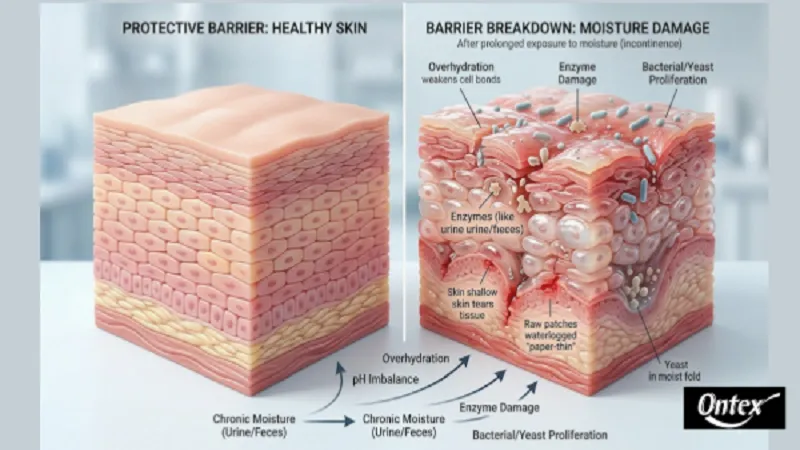
Learning what causes this breakdown shows you how to stop painful skin problems before they develop and worsen. This is what you need to know about skin damage.
How Wetness Breaks Down Your Skin Barrier
Constant moisture overhydrates skin cells, making them swell and weakening the protective barrier that keeps irritants out. Particularly, urine and faeces contain enzymes and bacteria that digest skin tissue when the pH becomes alkaline from wetness.
From that, your skin becomes raw, sticky, and painful as the outer layer breaks down from continuous contact with bodily fluids.
Common Skin Problems From Prolonged Exposure
Incontinence-associated dermatitis shows up as red, inflamed patches that burn and sting when touched or cleaned. And yeast infections create itchy, pimple-like rashes with raw patches that spread quickly in moist skin folds (skin becomes paper-thin when this happens).
What’s more, skin tears and open sores develop easily because waterlogged skin loses strength and tears from gentle friction.
How Barrier Cream Protects Your Skin
Barrier cream forms a waterproof shield on the skin surface that keeps moisture away while letting skin breathe underneath. Unlike regular moisturisers, barrier cream stays on the skin during incontinence episodes instead of washing away with wetness.
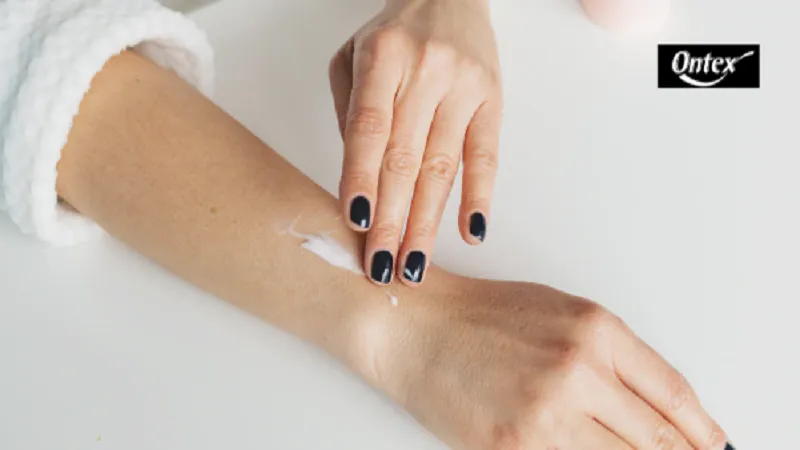
Here’s how barrier cream shields your skin.
Creating a Protective Shield Against Moisture
The cream’s hydrophobic ingredients repel water and bodily fluids and stop them from soaking into your skin tissue. To be more specific, zinc oxide and dimethicone create a breathable film that blocks humidity while maintaining healthy skin temperature and circulation.
And the protection doesn’t stop there. This shield lasts through multiple incontinence episodes without needing constant reapplication after every pad change throughout the day.
Barrier Cream vs Other Skin Care Products
Not all skin care products offer the same level of protection against incontinence moisture. Through years of working with continence care patients, we’ve learned that barrier cream outperforms other products in durability and effectiveness.
For instance, regular moisturisers hydrate skin but wash off easily, which means they provide no protection during episodes. Meanwhile, talcum powder absorbs moisture but interferes with pad absorbency and clumps when wet, making it unsuitable.
Below is a table explaining how these options compare:
| Product Type | Protection Level | Durability |
| Regular moisturisers | Minimal | Washes off easily |
| Barrier cream | Strong | Stays through wetness |
| Talcum powder | Absorbs moisture | Clumps when wet |
Ultimately, barrier cream is the only option that contains heavier, water-resistant ingredients and stays put even when skin gets wet from leaks.
Choosing the Right Barrier Cream for Skin Care
Australian continence care products contain different active ingredients designed for light, moderate, or heavy incontinence moisture exposure. Generally, reading labels tells you everything you need, and helps you identify effective barrier creams that won’t irritate sensitive skin or cause allergic reactions.
However, your product choice depends on your incontinence frequency, skin sensitivity, and whether you have existing skin damage. So take a look at what you need to consider before buying a barrier cream.
What Ingredients Work Best
Clinical observations across Australian healthcare settings confirm that zinc oxide provides the strongest moisture barrier. It also has natural antibacterial properties that prevent infections in damaged skin.
Besides that, dimethicone creates a breathable, water-repellent layer that protects without suffocating skin or trapping heat underneath the film.
Pro Tip: Steer clear of products with alcohol or fragrance, as these ingredients dry out skin and cause stinging on irritated skin areas.
When to Apply Barrier Cream
Timing and technique directly affect how well barrier cream forms a protective layer on the skin during continence care. We’ve seen how most people skip these steps and wonder why their protection fails.
These are the application techniques that work best:
- After Each Clean: Thoroughly clean the skin after every incontinence episode and gently pat it dry. Then apply cream to achieve the best protection results.
- Thin Layer Coverage: Thick, greasy layers can create a sticky mess. So, avoid applying too much and use an even amount of cream to cover all vulnerable areas
- Reapply Every 4-6 Hours: You can maintain continuous protection throughout the day by reapplying the cream after each continence pad change.
Skipping any of these steps creates gaps where moisture can break through and damage skin. Even brief lapses in care can increase the risk of discomfort or skin problems.
What to Do When Skin Damage Has Already Happened
Existing skin damage needs immediate treatment to prevent worsening infections, open sores, or widespread dermatitis spreading to new areas. In most cases, effective treatment combines gentle cleaning, antifungal treatment, and barrier protection to heal damaged skin while preventing further breakdown.
But following these steps gives your skin the best chance to heal quickly:
- Soap-Free Cleansing: Harsh scrubbing can tear vulnerable tissue and worsen irritation. That’s why your affected areas should be cleaned with gentle, soap-free cleansers and patted dry without rubbing.
- Antifungal Treatment First: Apply powder or ointment for a yeast infection before using barrier cream. This helps treat the infection while protecting healthy surrounding areas.
- Immediate Pad Changes: Replace soiled incontinence pads straight away. Reducing contact time with urine and faeces allows better healing.
- Protective Sealing: Barrier cream seals treated skin to lock in medication. It’s best to use it regularly to prevent new moisture from reaching damaged tissue during ongoing recovery.
These steps work together to speed up recovery and prevent complications. In reality, most people see improvement within 3-5 days when following this routine consistently.
Important Note: Don’t ignore early warning signs like persistent redness or burning sensations. Contact your healthcare provider if you notice foul-smelling discharge, spreading redness, or severe pain that worsens despite home treatment.
Your Path to Healthier, Protected Skin
Barrier cream prevents skin damage by creating a breathable, water-resistant layer between your skin and incontinence moisture. Ingredients like zinc oxide and dimethicone repel wetness while letting skin maintain healthy temperature and circulation.
Your skin deserves the protection it needs to stay healthy, comfortable, and free from painful moisture damage. So start using barrier cream today and experience the difference proper skin care makes in your daily comfort.
Visit Ontex Healthcare to find more continence care products designed to work with barrier cream for complete skin protection. We support your overall skin health and improve the effectiveness of your daily care routine.